

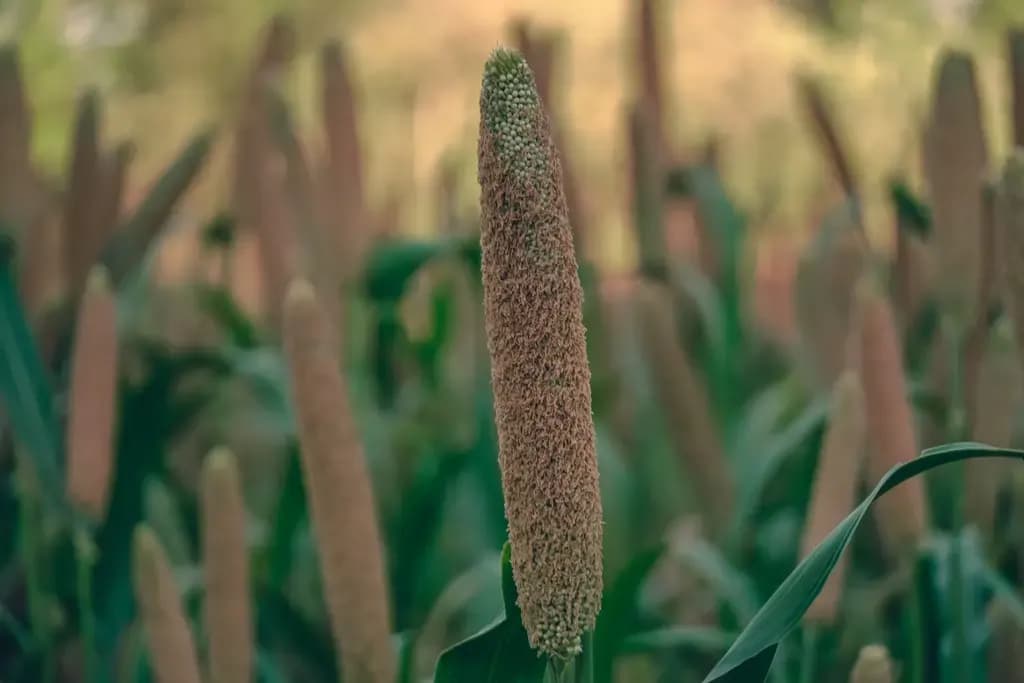
Bajra, also known as pearl millet, has been part of the Indian kitchens for centuries. Especially during the colder months, it's a common sight in the form of rotis, bhakris, or khichdi in states like Gujarat, Rajasthan, and Maharashtra. Beyond being comforting and filling, bajra is now being explored for its role in managing blood sugar, a growing concern in many Indian households.
The reason for bajra is that it is considered diabetes-friendly because it digests slowly. This slower digestion leads to a steadier release of glucose into the bloodstream, helping avoid sudden sugar spikes after meals.
Glycemic Index of Bajra
The glycemic index of bajra (pearl millet) in its natural grain form is around 54, which places it in the low-to-medium GI range.
To make these numbers easier to understand, a glycemic index below 55 is considered low, 56–69 is medium, and 70 or above is high. Foods with a lower GI help manage blood sugar better because they release glucose slowly into the bloodstream.
Interestingly, when bajra is made into a roti, one of the most common ways it’s eaten in Indian homes, it performs even better. Studies show that bajra roti has a glycemic index of 48.6 ± 5.42, making it a smart, diabetes-friendly option for regular meals in the recommended amounts.
How Bajra Compares to Other Indian Grains
When planning meals for diabetes, it's helpful to compare the grains you eat regularly. Here's how bajra stands next to other common options. Also, just so you can understand these numbers easily,
| Grain / Food | Glycemic Index (GI) | Is it Diabetes-Friendly? |
|---|---|---|
| Bajra (Pearl Millet) | 54 | ✅ Yes – Low GI, suitable for regular meals in recommended quantities |
| Wheat Flour | 63 | ⚠️ In moderation – Medium GI, watch portion sizes |
| Rice | 79 | ❌ No – High GI, can cause rapid blood sugar spikes |
| Barley | 65 | ⚠️ In moderation – Medium GI, best paired with fibre-rich foods |
| Oats | 55 | ✅ Yes – Low GI, a good option for blood sugar management |
This shows that bajra is a better choice than wheat or rice for maintaining stable blood sugar levels.
Nutritional Value of Cooked Bajra (per 100g)
Apart from a favourable GI, bajra is rich in nutrients that support overall health. It provides a good mix of carbohydrates, fibre, and protein, along with key minerals:
| Nutrient | Amount (per 100g) |
|---|---|
| Calories | 348 kcal |
| Carbohydrates | 67 g |
| Fibre | 1.2–1.5 g |
| Protein | 10.6–12.5 g |
| Fat | 4.8–5 g |
| Iron | 8 mg |
| Magnesium | 137 mg |
These nutrients make bajra not only fill but also beneficial for managing energy levels, digestion, and satiety, important factors in a diabetes-friendly diet.
How to Include Bajra in Your Meals?
You don’t need to change your eating habits to start using bajra completely. Many familiar Indian dishes can easily be adapted using this grain:
1. Bajra Roti
Have it with sabzi and dal, or pair it with sprouts and leafy greens like methi or palak.
2. Bajra Khichdi
Add bajra to moong dal and seasonal vegetables like lauki, carrots, or cabbage. It's hearty, comforting, and well-balanced.
3. Bajra Upma
Soak bajra overnight and cook bajra with onions, peas, carrots, and roasted peanuts for a protein- and fibre-rich twist on a breakfast classic.
4. Bajra Salad
Cooked and cooled bajra can be mixed with cucumber, tomatoes, chickpeas, and lemon juice for a light lunch or dinner.
These meals are not only tasty but also help manage blood sugar when paired with vegetables and protein.
Recommended Portion and Meal Timing
While bajra is a better grain choice for diabetes, portion size still matters. For most adults:
● 30–50 grams of dry bajra per meal, depending on the BMI (that’s roughly 1 medium bajra roti or 1 small bowl of khichdi)
● Best consumed during lunch or dinner, when it can be combined with vegetables and protein for better blood sugar control
Things to Watch Out for While Eating Bajra
Bajra is safe for most people, but there are a few things to keep in mind:
● Overeating, even healthy grains, can still raise blood sugar
● Improperly cooked bajra can cause bloating or digestive issues.
● People with thyroid problems should consult their doctor before consuming bajra in large, regular quantities due to its goitrogen content.
Conclusion:
Bajra can be a good grain for people with diabetes because it digests slowly and helps keep blood sugar levels steady.
Its low-to-moderate glycemic index and good nutrient content make it a better alternative to many refined grains. When eaten in the right portions and paired with vegetables or protein, bajra can be a simple and nutritious addition to a diabetes-friendly diet.
How PB Health Can Support You?
When someone in your family needs health care, you should not have to worry about what comes next or who will take care of each step.
At PB Health, we believe good healthcare depends on proper planning and regular follow-ups. Our doctors and care teams work together, supported by technology that helps track progress, organize follow-ups, and keep all information clear and accessible. From prevention to recovery, every stage is managed carefully so that nothing important is overlooked.
To learn more about our approach, visit the PB Health website.