
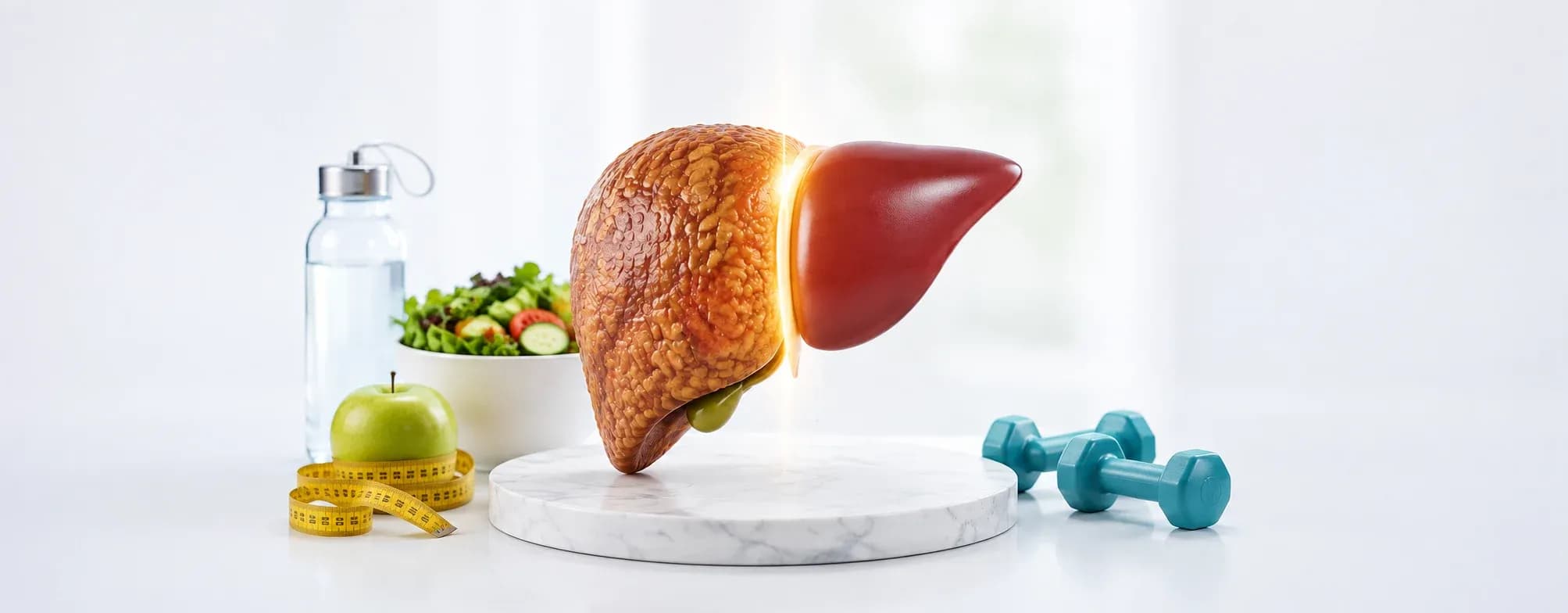

How to Reverse Fatty Liver: Causes, Treatment & Key Facts
Fatty liver can develop without obvious symptoms. You may feel completely normal even as excess fat builds up in your liver. In many people, it is discovered only during a routine health check-up, blood test, or ultrasound.
The good news is that fatty liver is manageable, especially when it is identified early. Lifestyle changes can reduce liver fat and, in some cases, improve liver inflammation and scarring.
In this blog, let’s understand what causes fatty liver, the symptoms to watch for, how it is treated, and whether it can be reversed.
What Is Fatty Liver?
The liver naturally contains some fat. Fatty liver is a general term used when excess fat builds up in the liver.
It can develop for several reasons, including metabolic health problems, alcohol use, certain medicines, and some medical conditions. Identifying the underlying cause is important because treatment may vary.
When excess liver fat is associated with metabolic risk factors and is not caused by significant alcohol use, it is now commonly called metabolic dysfunction-associated steatotic liver disease (MASLD). It was previously known as non-alcoholic fatty liver disease (NAFLD).
What Is NAFLD?
Non-alcoholic fatty liver disease (NAFLD) is the older medical term for fatty liver that is not caused by significant alcohol use. The newer term, MASLD, is used when metabolic risk factors are involved.
NAFLD broadly includes two forms:
- NAFL: Fat builds up in the liver with little or no inflammation or liver damage.
- NASH: Fat buildup is accompanied by inflammation and liver damage. It can lead to liver scarring, called fibrosis, and, in advanced cases, cirrhosis.
Not everyone with fatty liver develops liver damage. However, identifying the condition early can help reduce the risk of progression.
What Causes Fat to Build Up Around the Liver?
Fat can build up in the liver when the body has trouble processing or storing fat properly. Several factors can contribute to this, including:
- Being overweight or having obesity
- Insulin resistance or type 2 diabetes
- High triglycerides or abnormal cholesterol levels
- High blood pressure and metabolic syndrome
- A diet high in added sugars and excess calories
- Excessive alcohol consumption
- Certain medicines or medical conditions
- Genetic and metabolic factors
You do not necessarily need to be overweight to develop fatty liver. Even people with a healthy body weight can develop it because of metabolic, genetic, dietary, or other health-related factors.
Fatty Liver Symptoms: What Should You Look For?
One of the challenging things about fatty liver is that it often causes no noticeable symptoms. Some people may experience:
- Tiredness
- A vague discomfort in the upper-right side of the abdomen
- A general feeling of being unwell
However, having no symptoms does not necessarily mean the liver is healthy. Fatty liver can sometimes progress to inflammation and scarring without obvious warning signs.
This is why people with risk factors such as diabetes, obesity, high cholesterol or metabolic syndrome may benefit from discussing liver health with their doctor.
How Is Fatty Liver Diagnosed?
A doctor may use several pieces of information rather than relying on one test.
Blood tests: Liver enzymes such as ALT and AST may be checked. These can provide useful information about liver health, although normal liver enzyme levels do not always rule out liver disease.
Ultrasound and other imaging tests: An abdominal ultrasound may detect excess fat in the liver. Depending on your risk and test results, your doctor may recommend other imaging tests that assess liver stiffness or scarring.
Other tests: Doctors may use medical history, physical examination, blood tests and imaging to assess the liver. In selected cases, a liver biopsy may be considered to determine the extent of liver damage.
Fatty Liver Treatment: What Actually Helps?
Treatment depends on the cause and how much liver damage is present. For metabolic fatty liver, lifestyle changes are a major part of management.
1. Work towards gradual weight loss: If you are overweight, losing weight can reduce the amount of fat stored in the liver.
Even a weight loss of around 3% to 5% of body weight can reduce liver fat. Greater weight loss, around 7% to 10%, may be needed to improve liver inflammation and fibrosis in some people.
The goal is not rapid weight loss. Crash diets and rapid weight reduction can be harmful and may worsen liver problems. A gradual, sustainable approach is safer.
2. Improve your everyday diet: You do not need to follow an extreme "liver detox" diet. Instead, focus on practical changes:
- Eat more vegetables, fruits and whole grains.
- Choose protein sources such as pulses, eggs, fish, lean meat or other suitable options.
- Replace saturated fats with healthier unsaturated fats where appropriate.
- Reduce sugary drinks, sweets and highly processed foods.
- Watch portion sizes.
- Limit foods and drinks containing large amounts of added sugars, particularly fructose.
- Minimise alcohol, especially if you already have liver disease.
For an Indian diet, this could mean choosing home-cooked meals more often, increasing vegetables and pulses, controlling portions of rice or roti, and cutting back on sugary beverages and frequent fried snacks.
3. Stay physically active: Regular physical activity can help improve liver health, even if the number on the weighing scale does not change immediately.
Aim for activities you can maintain, such as brisk walking, cycling, swimming, strength training or a combination of these. If you have been inactive for a long time or have another medical condition, speak with your doctor before starting a new exercise programme.
4. Manage diabetes, cholesterol and blood pressure: Fatty liver is closely connected with metabolic health. If you have diabetes, high cholesterol, high blood pressure or excess weight, managing these conditions is an important part of protecting your liver and overall health.
Your doctor may recommend medicines for these conditions when needed. Do not start or stop medicines specifically for fatty liver without medical advice.
Can Fatty Liver Be Reversed?
In many people, liver fat can be reduced significantly with sustained lifestyle changes.
Early fatty liver, particularly when there is little or no scarring, may improve when the underlying causes are addressed. Weight loss can reduce liver fat and may also improve inflammation and fibrosis.
However, "reversal" is not guaranteed for everyone. Once significant scarring or cirrhosis develops, the situation is more complicated and requires medical supervision.
The earlier fatty liver is identified and its risk factors addressed, the better the opportunity to prevent further liver damage.
When Should You See a Doctor?
Consider speaking with a healthcare professional if you:
- Have been told that an ultrasound shows fatty liver
- Have diabetes or insulin resistance
- Have high triglycerides or cholesterol
- Have obesity or increasing waist circumference
- Have abnormal liver blood tests
- Regularly consume alcohol and are concerned about your liver
- Develop persistent abdominal discomfort, unusual tiredness or other concerning symptoms
Conclusion
Fatty liver is common and often silent, but it should not be ignored. The condition is closely linked with metabolic health, including weight, blood sugar, cholesterol and blood pressure.
There is no need to look for a quick "liver cleanse". For most people with metabolic fatty liver, the more useful approach is simple and consistent: eat a balanced diet, stay active, work towards a healthy weight, manage related health conditions and follow up with your doctor when needed.
How PB Health Can Support You?
PB Health ccan help you understand your liver health, identify risk factors, and make practical lifestyle changes. Our care team can guide you with diet, weight management, physical activity, test interpretation, and medical management of chronic liver disease when appropriate, along with regular follow-ups to help you manage fatty liver and protect your long-term health.