



Knee pain can slowly take away the freedom to do everyday things. Simple things such as walking to the market, climbing stairs, standing in the kitchen, or even getting out of bed can become difficult when the knee joint is severely damaged. For many people, Knee replacement surgery offers a chance to move with less pain and enjoy a better quality of life.
While the surgery is an important milestone, it is only the beginning of your recovery. Healing does not happen overnight. It takes a lot of patience, consistency, and proper care.
In this blog, you will learn what to expect after knee replacement surgery, practical tips to support healing, and simple ways to regain your strength and confidence.
What Is Knee Replacement Surgery?
Knee replacement surgery is a procedure in which damaged surface of the knee joint (known as cartilage) is replaced with artificial components made from metal, ceramic, or medical-grade plastic. The goal is to reduce pain, improve movement, and help people return to daily activities that have become difficult because of severe arthritis or joint damage.
Depending on the condition of the knee, your Orthopaedic surgeon may recommend:
- Total knee replacement surgery, where the entire knee joint is replaced.
- Partial knee replacement, where only part of the joint is replaced.
Most people undergo this procedure because of advanced osteoarthritis, although rheumatoid arthritis, previous injuries, or deformities may also be a reason for surgery.
What Should You Expect After Surgery?
Every person's recovery is different, but there are a few things that almost everyone experiences after surgery. It is normal to have pain, swelling, and stiffness during the first few days after surgery. These symptoms gradually improve as your body heals.
In most cases, you will be encouraged to stand and take a few steps with support within 24 hours of surgery. While this may seem surprising, early movement plays an important role in improving circulation, preventing complications, and restoring joint function.
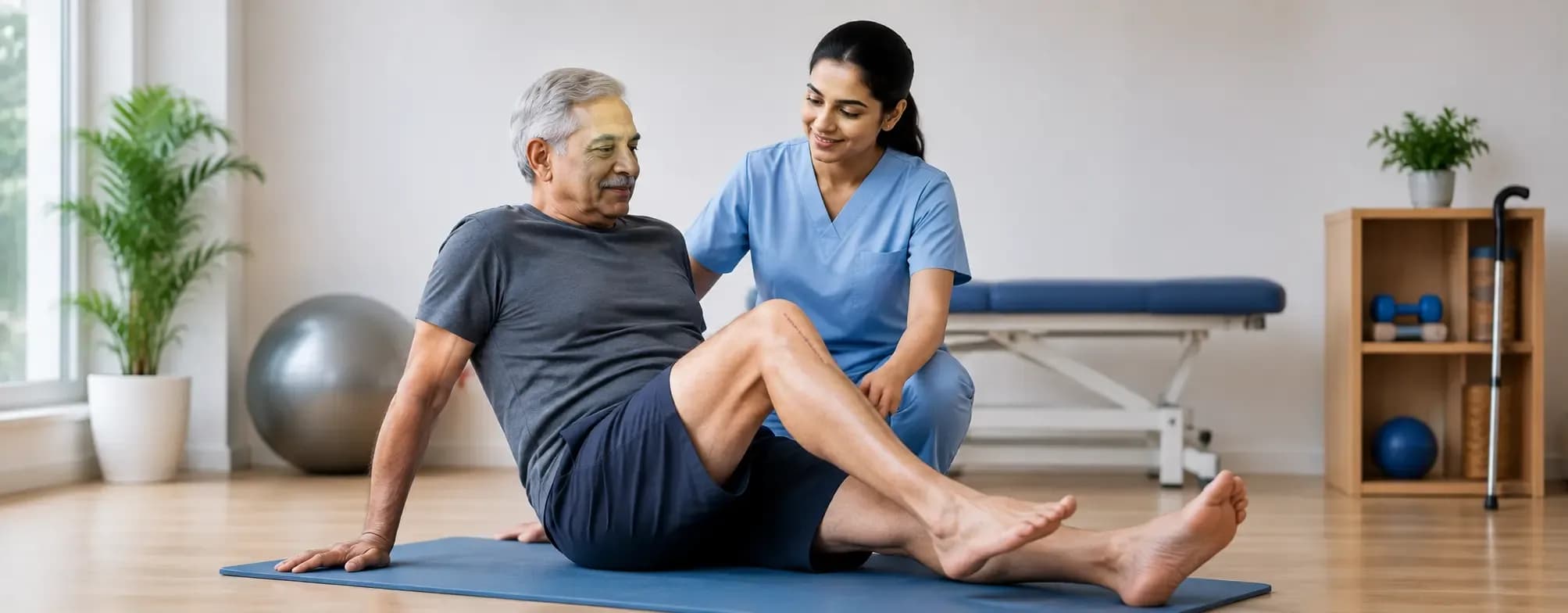
Your healthcare team will also begin physiotherapy early to help you:
- Improve knee movement
- Strengthen the muscles around the joint
- Reduce stiffness
- Build confidence while walking
Many people use a walker or crutches for a short period before progressing to a walking stick or walking independently.
A Point to Remember: Recovery is a gradual process. Comparing your progress with someone else's may only lead to unnecessary worry.
How Long Does Recovery Take?
One of the most common questions people ask is, "When will I feel normal again?"
There is no single answer because recovery depends on several factors such as your age, overall health, muscle strength, commitment to physiotherapy, and whether you had any medical conditions before surgery.
A general recovery timeline looks like this:
First Week: During the first week, the focus is on controlling pain, reducing swelling, and starting gentle movement. You will begin walking with support and perform simple exercises recommended by your physiotherapist.
Week 2 to 6: This is when many people begin to notice steady improvement. Walking becomes easier, knee movement gradually increases, and everyday activities such as getting dressed or moving around the house become more comfortable.
Six Weeks to Three Months: Most people can walk longer distances independently without support with greater confidence. Strength and flexibility continue to improve, although some stiffness may still be present, especially after sitting for long periods.
Three Months to One Year: Healing continues even after the first few months. The muscles around the knee become stronger, balance improves, and many people return to activities such as travelling, gardening, and recreational walking.
The key is to focus on steady progress rather than expecting immediate results.
Tips to Recover Faster After Knee Replacement Surgery
1. Stay Active and Follow Your Doctor's Advice: It may seem easier to stay in bed because of pain or fear of damaging the new joint. However, avoiding movement for long periods can slow your recovery. Gentle movement improves blood circulation, reduces stiffness, and helps the muscles around your knee regain strength.
This does not mean pushing yourself beyond your limits. Follow the exercise plan given by your surgeon or physiotherapist and gradually increase your activity level. Small improvements each day are more valuable than trying to do too much too soon.
2. Make Physiotherapy a Priority: Physiotherapy is one of the most important parts of recovery after knee replacement surgery.
The exercises may feel challenging at first, but they are designed to improve flexibility, restore strength, and help you walk with confidence again. Skipping sessions or avoiding home exercises can delay your progress.
Your physiotherapist may recommend exercises such as:
- Knee bending and straightening exercises
- Straight leg raises
- Ankle pumps
- Short walks several times a day
- Balance and strengthening exercises as recovery progresses
The more consistent you are, the better your chances of achieving a smoother recovery.
3. Keep Pain Under Control: Many people think they should avoid pain medicines after surgery unless the pain becomes severe. In reality, taking medications exactly as prescribed can make it easier to move, participate in physiotherapy, and sleep comfortably.
Besides medicines, your doctor may also recommend:
- Applying ice packs to reduce swelling
- Elevating the leg while resting
- Changing positions regularly instead of sitting for long periods
Good pain management allows you to stay active, which supports faster healing. Do not stop or change your medications without discussing it with your doctor.
4. Reduce Swelling the Right Way: Swelling is usually expected after a knee replacement operation, but managing it properly can improve comfort and movement.
Simple steps that may help include:
- Keeping your leg elevated while resting
- Applying ice packs regularly for a few days after surgery
- Performing ankle pump exercises
- Walking short distances throughout the day instead of remaining seated for long periods
5. Eat Foods That Help Your Body Heal:
Your body needs the right nutrients to repair tissues, build muscle strength, and recover after surgery.
A balanced diet should include:
- Protein: Eggs, fish, chicken, dal, paneer, soy products
- Vitamin C: Oranges, guava, amla, tomatoes
- Calcium and Vitamin D: Milk, curd, fortified foods and sunlight exposure
- Fibre: Fruits, vegetables, and whole grains to reduce constipation caused by pain medications
- Plenty of fluids: Staying well hydrated supports overall recovery.
6. Get Enough Rest and Sleep: Your body does most of its healing while you rest. Although it may be difficult to find a comfortable sleeping position during the first few weeks, good sleep is essential for recovery.
Here are a few tips that may help:
- Sleep on your back with your operated leg elevated on a pillow as advised by your doctor.
- If you sleep on your side, place a pillow between your legs for support.
- Follow a regular sleep schedule and avoid caffeine late in the evening.
7. Make Your Home Safer: Simple changes around your home can reduce the risk of falls while you recover.
Consider these safety measures:
- Remove loose rugs and electrical cords from walkways.
- Keep frequently used items within easy reach.
- Install handrails in bathrooms and along staircases if needed.
- Use a chair with firm armrests to make sitting and standing easier.
- Ensure your home has good lighting, especially at night.
8. Avoid Activities That Can Slow Healing
It is natural to feel excited when your knee starts feeling better, but returning to strenuous activities too soon can delay recovery.
During the healing period:
- Avoid lifting heavy objects for a few weeks.
- Do not sit in one position for several hours.
- Avoid high-impact activities such as running or jumping.
- Do not ignore your physiotherapy exercises protocol.
Common Mistakes That Can Delay Recovery
Many people recover well after knee replacement surgery, but a few common mistakes can make healing slower. These include:
- Skipping physiotherapy sessions
- Missing follow-up appointments
- Not taking prescribed medications correctly
- Smoking, which reduces blood flow and delays healing
- Poor nutrition and inadequate hydration
- Remaining inactive for long periods
- Returning to demanding activities before receiving medical clearance
When Can You Walk Normally Again?
Most people begin walking with a walker or crutches within a day after surgery. As strength and balance improve, they gradually shift to a walking stick and eventually walk independently.
Many patients can walk comfortably within 6 to 12 weeks, although recovery varies from person to person. The goal is not simply to walk without support but to walk with good balance, proper posture, and confidence.
When Can You Drive or Climb Stairs?
Driving depends on several factors, including which knee was operated upon, your muscle strength, reaction time, and coordination.
Many people can return to driving within 4 to 6 weeks, but only after receiving approval from their surgeon. Climbing stairs usually becomes easier with regular physiotherapy. Your therapist will teach you safe techniques before you begin using stairs independently.
Do not rush either activity without medical advice.
Warning Signs You Should Not Ignore
Some discomfort is expected after surgery, but certain symptoms require immediate medical attention.
Contact your doctor if you notice:
- Fever above 100.4°F
- Increasing redness or warmth around the incision
- Pus or foul-smelling discharge from the wound
- Sudden swelling that does not improve
- Severe calf pain or swelling in one leg
- Chest pain
- Difficulty breathing
Can You Prevent Another Knee Replacement?
While an artificial knee joint is designed to last for many years, taking good care of it may improve its longevity.
Healthy habits include:
- Maintaining a healthy weight
- Staying physically active
- Continuing strengthening exercises
- Managing diabetes and other chronic conditions
- Attending regular follow-up visits
- Avoiding activities that place excessive stress on the joint
Looking after your overall health benefits both your new knee and your quality of life.
How PB Health Can Support Your Recovery
Recovering from knee replacement surgery is easier when you have the right support at every stage.
PB Health connects you with experienced Orthopaedic specialists who can guide you through recovery, monitor your progress, and address any concerns that arise after surgery. From follow-up consultations and diagnostic support to rehabilitation guidance, timely medical care can help you recover safely and regain confidence in your daily activities.
Conclusion
A successful knee replacement does not end in the operating room. Recovery is where your effort, consistency, and medical guidance come together.
Following your physiotherapy plan, staying active within your limits, eating nutritious meals, getting enough rest, and attending follow-up appointments can all contribute to a smoother recovery.
Remember that every person's healing journey is different. Focus on gradual progress, celebrate small milestones, and don't hesitate to seek medical advice if something doesn't feel right.