


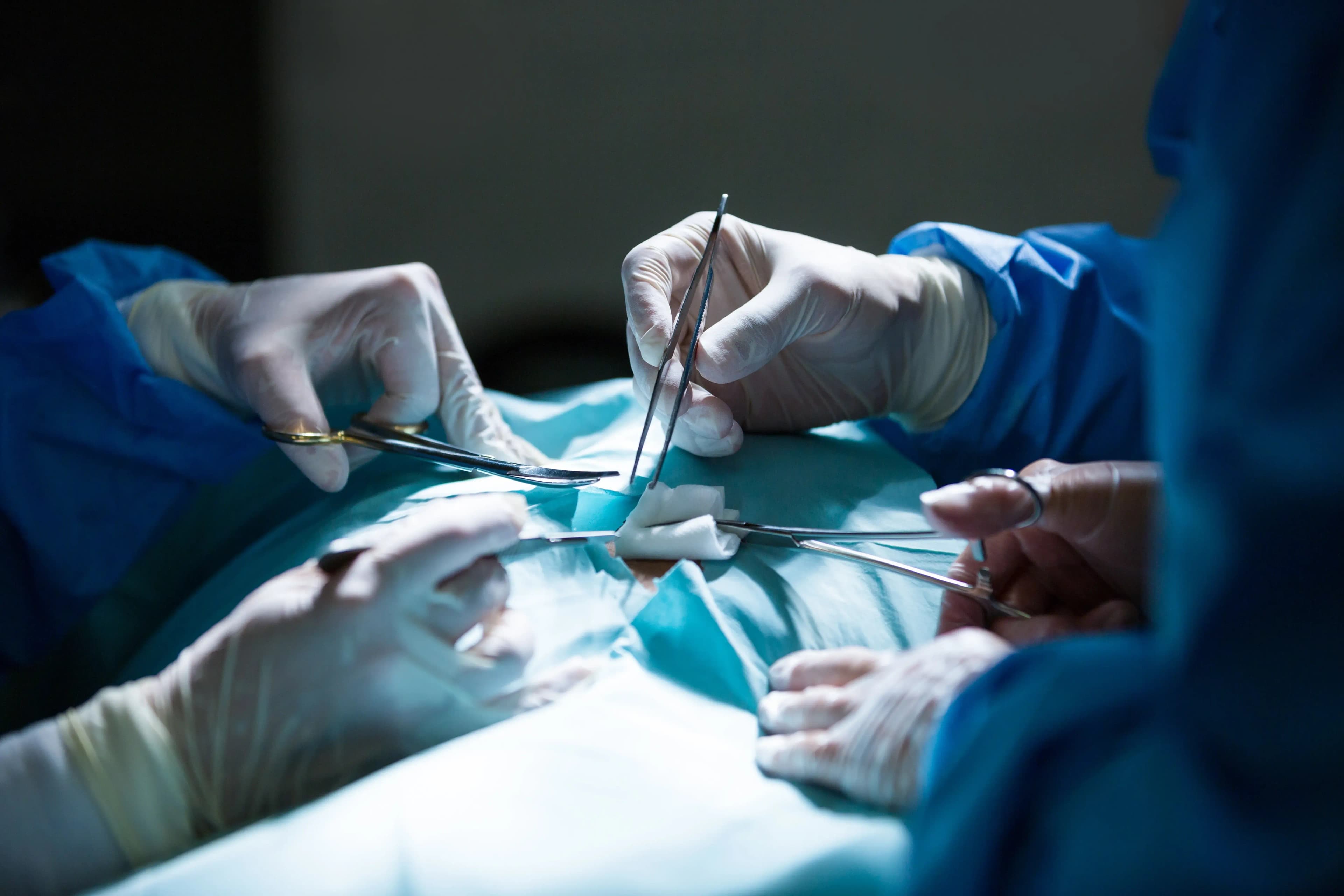


When a child needs surgery, one of the first things parents may wonder is how the operation will actually be performed. You may hear terms such as laparoscopic surgery , minimally invasive surgery, or open surgery during a consultation. Understanding the difference can make the conversation with your child's surgeon a little easier.
Both approaches are established surgical techniques. The choice isn't simply about which one is "better". It depends on the condition being treated, the child's age and health, the complexity of the procedure, and what the surgeon considers safest and most appropriate.
What Is Laparoscopic Surgery?
Laparoscopic surgery is a minimally invasive approach in which the surgeon operates through small incisions rather than one larger incision.
A thin instrument called a laparoscope, which has a camera and light, is inserted through one of the small openings. The camera sends images to a monitor, allowing the surgical team to see inside the abdomen. Other small instruments can be inserted through additional openings to perform the procedure.
Because the incisions are smaller, children may have less pain from the wound and smaller scars after some laparoscopic procedures. Recovery may also be quicker for certain operations. However, the benefits vary depending on the procedure and the individual child.
What Is Open Surgery?
Open surgery involves making a larger incision to allow the surgeon direct access to the area being treated.
The size and location of the incision depend on the operation. Open surgery has been used safely for many years and remains an important part of Paediatric surgery .
An open operation may be recommended when the condition is complex, when the surgeon needs wider access to the area, or when minimally invasive surgery isn't the safest option.
So, an open surgical approach isn't an outdated version of laparoscopic surgery. For some children and some conditions, it may be the most appropriate approach.
Laparoscopic vs Open Surgery: What's the Difference?
The main difference is how the surgeon reaches the area being treated .
| Laparoscopic surgery | Open surgery |
|---|---|
| Uses small incisions | Uses a larger incision |
| Uses a camera and specialised instruments | Gives the surgeon direct access to the surgical area |
| Usually results in smaller scars | Usually results in a larger scar |
| May allow a quicker recovery for some procedures | Recovery can take longer for some operations |
| Suitable for selected procedures | Remains necessary or preferable for certain conditions |
The choice is not made based on appearance alone. Safety and the needs of the child come first.
What Are the Advantages of Laparoscopic Surgery?
Depending on the procedure, laparoscopic surgery may offer several potential advantages.
Smaller Incisions
Instead of one larger incision, the surgeon generally uses several small openings. This can mean smaller scars once the wounds have healed.
Less Wound-Related Pain
Smaller incisions may result in less pain related to the surgical wound for some procedures. However, children can experience discomfort after any type of surgery, and pain management remains an important part of recovery.
Potentially Shorter Hospital Stay
Some laparoscopic procedures allow children to return home sooner than they might after an equivalent open procedure. This depends on the surgery and how the child responds to treatment.
Earlier Return to Normal Activities
Because recovery may be quicker with certain minimally invasive procedures, some children may return to everyday activities sooner. The timing should always be guided by the surgical team.
Does Laparoscopic Surgery Always Mean Faster Recovery?
Not necessarily.
It's tempting to assume that smaller incisions automatically mean a faster recovery, but recovery depends on much more than the size of the wound.
The type and complexity of the surgery, the child's age, overall health, and whether there were any complications all play a role.
For this reason, parents shouldn't compare their child's recovery with another child's simply because both had laparoscopic surgery .
When Might Open Surgery Be Recommended?
There are situations where an open operation may be preferred.
For example, the surgeon may recommend an open approach when:
- The condition requires wider surgical access
- The anatomy is complex
- The operation is an emergency
- A minimally invasive approach would not provide adequate access or visibility
- The surgeon determines that open surgery is safer for the individual child
In some cases, a procedure that begins laparoscopically may need to be converted to an open surgical approach if this becomes necessary for the child's safety.
This doesn't necessarily mean something has gone wrong. Sometimes it is simply the safest way to complete the operation.
Is Laparoscopic Surgery Safe for Children?
Laparoscopic procedures are performed in children for a range of conditions. Like any surgery, however, they carry potential risks.
These can include bleeding, infection, reactions to anaesthesia, injury to surrounding structures, and complications specific to the particular procedure.
Before surgery, the paediatric surgeon and anaesthesia team will assess the child and discuss the expected benefits and potential risks with the parents.
What About "Lapo Surgery"?
Parents may sometimes hear or search for the term "lapo surgery" online. "Lapo" is generally an informal shortened way of referring to laparoscopic surgery rather than a different type of operation.
If you come across the term, the important thing is to understand which laparoscopic procedure is being discussed. Laparoscopic appendectomy, for example, is very different from laparoscopic surgery for another condition.
What Happens During Laparoscopic Surgery?
Before the operation, the child is given anaesthesia as appropriate for the procedure. Once the child is asleep, the surgeon makes small incisions and inserts the laparoscope and other surgical instruments.
The abdomen may be gently inflated with carbon dioxide to create space for the surgeon to see and operate.
The surgeon views the internal structures on a monitor while performing the procedure. Once the operation is complete, the instruments are removed and the small incisions are closed.
The exact steps vary depending on the surgery being performed.
What Happens During Open Surgery?
In an open surgery , the surgeon makes an incision that provides access to the area being treated. The operation is then performed directly through this opening.
After the procedure is completed, the incision is closed using appropriate surgical techniques.
The recovery period depends on the operation and the child. The surgical team will provide instructions about pain management, wound care, eating, physical activity, and follow-up.
Which Approach Is Better for My Child?
There isn't a universal answer.
For some procedures, laparoscopic surgery may provide clear advantages. For others, an open approach may be more suitable. And in certain situations, both approaches may be possible.
Your child's surgeon will consider factors such as:
- The condition being treated
- The complexity and urgency of the procedure
- Your child's age and size
- Previous operations
- Overall health
- Available surgical expertise and equipment
- Which approach provides the safest and most effective treatment
The goal isn't simply to make the smallest incision. The goal is to treat the child's condition safely and effectively.
Questions Parents Can Ask Before Surgery
If your child has been advised to undergo surgery, you can ask the surgeon:
- Which surgical approach do you recommend and why?
- Is laparoscopic surgery an option for my child?
- What are the benefits and risks of each approach?
- How long is recovery expected to take?
- How long might my child need to stay in hospital?
- When can they return to school and physical activities?
- What symptoms should we watch for after surgery?
Having these questions answered can help you feel more prepared and understand why a particular approach has been recommended.
Summary
Both laparoscopic surgery and open surgery have an important role in treating children. Laparoscopic procedures use small incisions and a camera to perform surgery, while an open operation provides direct access through a larger incision.
Laparoscopic surgery can offer benefits such as smaller scars and potentially quicker recovery for selected procedures. However, it isn't automatically the right choice for every child. An open surgical approach may be safer or more appropriate for certain conditions.
If your child needs surgery, talk to the paediatric surgeon about the options available and why a particular approach has been recommended. The best approach is the one that safely addresses your child's specific condition.
How PB Health Can Support You
At PB Health Hospital , IFFCO Chowk, Gurgaon , our paediatric and surgical teams work together to assess your child's condition and determine the most appropriate treatment approach. As a paediatric hospital , PB Health provides care for children with a range of medical and surgical needs. When surgery is recommended, we explain the procedure, discuss available options, and guide families through preparation, surgery, and recovery.