

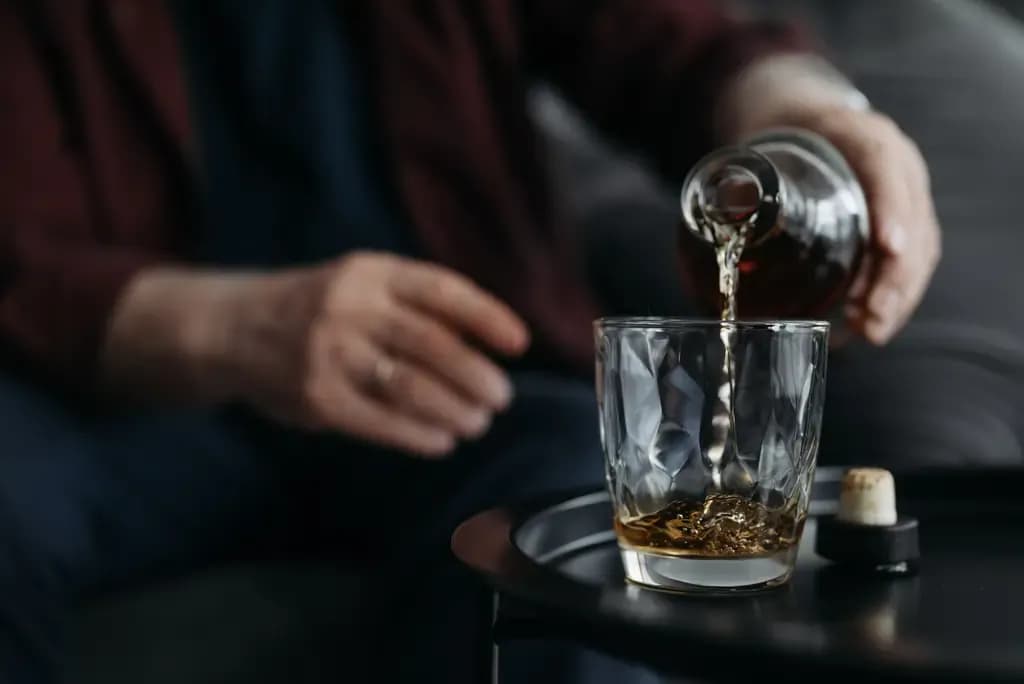
It’s my birthday - let’s grab some drinks!”
“I just closed a big deal; time to celebrate with a drink!”
“Had a bad day? A drink will fix it.”
Sounds familiar? Whether it’s a happy moment or a tough one, alcohol seems to fit every occasion. We’ve grown up watching these movies showing heartbreaks drowned in whiskey or champagne, popping at big wins. Even in real life, celebrations often feel incomplete without a toast.
But have you ever wondered what’s really in that glass? For people managing diabetes, heart health, or weight loss, it’s not just about enjoying the moment – it’s about making choices that won’t compromise your health goals.
Note: At PB Health, we strongly recommend avoiding alcohol altogether. Why? Alcohol can cause your blood sugar levels to spike or drop unpredictably, making it harder to manage diabetes or other health conditions. Beyond this, alcohol contributes to weight gain, liver damage, and even heart disease. Swapping alcohol for healthier options like good old water, herbal teas, or sugar-free beverages can keep your health on track while you still enjoy social moments.
Still, it is important to understand alcohol’s impact and make informed decisions.
|
Did you know? According to a WHO report, 31% of Indians drink alcohol. Among them, 40.9% are male and 20.8% are female drinkers. |
With so many people consuming alcohol, we thought it was essential to dig deeper into what’s out there. To give you the full picture, we rolled up our sleeves, visited various shops, and gathered insights on the different types and ingredients of alcoholic beverages available in India.
Here is what we found!
| Category | Description | Alcohol Content |
|---|---|---|
| Spirits | Strong alcoholic drinks like whiskey, rum, vodka, gin, brandy, and tequila. | High (35%–60%) |
| Imported & Luxury Spirits | Premium international whiskeys, vodkas, gins, and wines. | High (35%–60%) |
| Liqueurs | Sweet-flavoured drinks often used in cocktails or desserts. | Moderate (15%–30%) |
| Wine | Elegant and food-friendly; includes red, white, rosé, and sparkling wines. | Moderate (8%–15%) |
| Traditional Indian Liquors | Local favourites such as toddy, mahua, feni, and handia made with unique Indian ingredients. | Moderate (8%–15%) |
| Champagne | Sparkling wine for special celebrations. | Moderate (12%–14%) |
| Beer | Light and bubbly; available in lagers, strong beers, and craft varieties. | Low to Moderate (4%–8%) |
| Ready-to-Drink (RTD) | Fruity, low-alcohol beverages such as pre-mixed drinks. | Low (4%–5%) |
NOTE: Cocktails are mixed drinks made with spirits, juices, and syrups. Popular options include margaritas and mojitos, which have an alcohol content ranging from 10% to 30%.
Sugar-free alcohol refers to drinks that naturally have little to no sugar or carbs. These are ideal for people managing blood sugar levels, weight, or diabetes. However, while the alcohol itself might be sugar-free, mixers or flavouring agents often sneak in extra sugar.
NOTE: While sugar-free alcoholic drinks have lower added sugars, that doesn’t mean they are risk-free. It's important to remember that alcohol is alcohol, no matter the type or brand. Even sugar-free options can still lead to health issues if consumed in excess, such as affecting your blood sugar levels, weight, or liver health.
Let us look at the types of alcohol available in the local market.
What are Alcoholic Beverages Made Up of?
Here is a compilation of the ingredients that make different types of alcoholic beverages:
| Type of Alcohol | Ingredients | Alcohol Content (ABV) |
|---|---|---|
| Whiskey | Indian barley, water, yeast, grain spirits, Scotch/Indian malts | 40%–50% |
| Rum | Molasses, sugar, vanilla, natural flavourings | 21%–43% |
| Vodka | Grain (wheat or rye), water | 37.5%–42.8% |
| Gin | Juniper berries, coriander seeds, botanicals | 43% |
| Beer | Malted barley, hops, water, yeast | 4.8%–4.9% |
| Wine | Grapes (Shiraz, blended varieties) | 13%–14% |
| Champagne | Grapes (sparkling wine) | 12%–14% |
| Cocktails | Spirits, juices, syrups | 10%–30% |
| Breezers (Pre-Made Cocktails) | Fruit juices, distilled alcohol | 4%–5% |
To Understand Alcohol Metrics Better, You Need to Understand the Basics
1. Alcohol by Volume (ABV)
This tells you how much alcohol is in a drink compared to its total volume. Example: A whiskey with 50% ABV has 50 mL of pure alcohol in every 100 mL of the drink.
2. % V/V (Volume/Volume)
Another way of showing alcohol strength is similar to ABV. Example: A drink labeled 40% V/V has 40 mL of pure alcohol in 100 mL.
3. Proof
A traditional way to measure alcohol strength, especially in the US. For example, 1 Proof = 2 × ABV. So, a 40% ABV whiskey is 80 proof.
4. Distillation
A process of increasing alcohol strength by heating a liquid to separate alcohol from water. This is how strong drinks like whiskey, rum, and vodka are made.
5. Fermentation
A natural process where yeast or bacteria turn sugars (from fruits, grains, etc.) into alcohol. This is how lighter drinks like beer and wine are made.
6. Alcohol By Weight (ABW)
Another way to measure alcohol is by weight rather than volume. It’s a bit less common.
7. Standard Drink
A “standard drink” has a fixed amount of alcohol, usually 10–14 grams of pure alcohol. Example: One small glass of wine or a can of beer equals one standard drink.
Note
1. Strong Drinks: Whiskey, rum, and gin have higher alcohol levels (35% - 60%) because of distillation.
2. Light Drinks: Beer, wine, and breezers have lower alcohol levels (4% - 15%) as they are fermented.
3. Common Ingredients
● Molasses: A sugary by-product used to make rum.
● Botanicals: Things like herbs and spices that give gin its unique flavour.
● Malted Barley: Specially treated barley used in beer and whiskey for fermentation. Now, we often hear people recommend cutting out alcohol if you’re drinking it. Forget about diabetes or any specific health concerns for a moment - do you really know how even having just one glass of alcohol affects your body?
How Alcohol Affects Your Body?
Let’s talk straight - alcohol might feel good now, but it can harm your body in ways you may not realise. Here’s how:
1. Your Brain
Alcohol slows your brain down. You might feel relaxed, but it affects your focus, balance, and reactions. Over time, heavy drinking can mess with your memory and mood and, in extreme cases, lead to severe memory disorders.
2. Your Heart
Drinking too much raises blood pressure and weakens the heart muscle. This increases the risk of serious problems like heart attacks and strokes.
3. Your Stomach
Alcohol irritates your stomach, causing heartburn and, over time, conditions like ulcers and gastritis (inflammation of the stomach lining). It can also lead to vomiting, which can damage the esophagus (our food pipe) if repeated often.
4. Cancer Risk
Regular drinking raises your chances of cancers like mouth, throat, liver, breast, and colon cancer. Alcohol is classified as a Group 1 carcinogen, which means it’s known to cause cancer.
5. Addiction Risk
Alcohol can make you feel good temporarily, but it’s easy to get hooked. This can lead to dependency, making it tough to quit.
But alcohol doesn’t just stop there - it takes a heavy toll on your liver, too.
What Alcoholic Beverages Do to Your Liver?
To understand alcohol’s impact, let’s first look at the liver’s role in your body. Your liver is like the body’s detox centre - it filters out harmful substances, helps digest food by producing bile, and stores nutrients. However, when it comes to alcohol, the liver faces a unique challenge.
When you drink, your liver works hard to break down alcohol and remove it from your body. But as it does, it produces a harmful substance that can damage liver cells. This, combined with liver stress and inflammation, makes it harder for your liver to recover and function properly.
While your liver is designed to handle small amounts of alcohol, drinking too much can overwhelm it and lead to serious problems, such as:
• Fat Builds Up: Your liver starts storing fat instead of working properly. This is often the first sign of damage, but it can get better if you stop drinking early.
• Swelling and Pain: Drinking heavily for a long time can inflame the liver, causing pain and swelling. This condition, known as alcoholic hepatitis, can lead to serious complications.
• Permanent Damage: Over time, healthy liver tissue is replaced with scar tissue, a condition called cirrhosis. Cirrhosis is permanent and makes it hard for your liver to function.
• Cancer Risk: A damaged liver is more likely to develop liver cancer. The risk is especially high if cirrhosis has already set in.
What is the Nutritional Value of Different Types of Alcoholic Beverages*?
| Nutrients | Hard Liquor (Whiskey, Rum, Vodka, Gin) (100 ml) | Liqueur (Rum with Sugar) (100 ml) | Wine (100 ml) | Beer (100 ml) | Microbrewery/Fruit Beer (100 ml) |
|---|---|---|---|---|---|
| Calories (kcal) | 233–300 | 300 | 80 | 45 | 45–70 |
| Carbohydrates (g) | 0 | 16.7 | 2.3 | 4 | 4–8 |
| Protein (g) | 0 | 0 | 0.1 | 0.4 | 0.4–0.7 |
| Fat (g) | 0 | 0 | 0 | 0.2 | Trace |
| Sugars (g) | 0–Trace (depends on mixers) | 16.7 | 0.2–6 | 0.4 | 1–6 |
● Hard Liquor: Includes whiskey, rum, vodka, and gin. These have high-calorie content but lack carbohydrates, proteins, fats, and sugars unless mixed with additional ingredients.
● Liqueur: Typically sweeter and contains added sugars (e.g., spiced or flavoured rum).
● Wine: Lower in calories and carbohydrates compared to other categories, with traces of sugar and fats depending on type (dry or sweet wine).
● Beer: Moderate calories, carbohydrates, and a small amount of protein. Common beer has negligible sugar and fat.
● Microbrewer fruit beers often have higher sugar and calorie content because they use fruits or natural sweeteners during brewing. Their nutritional values can vary widely based on the ingredients and brewing process, making them less predictable than standard beers. These beers tend to have a richer flavour profile but should be consumed in moderation due to their sugar levels.
What are the Risks of Excessive Alcohol Consumption?
Switching to sugar-free alcohol doesn’t mean it’s a free pass for unlimited drinking. As we’ve already discussed how alcohol impacts your body, especially your liver, here’s why overdoing it is still harmful:
● Hypoglycemia: Drinking too much can lower your blood sugar to dangerous levels, especially if you’re on diabetes medication.
● Liver Damage: Your liver must work overtime to process alcohol, and long-term heavy drinking can lead to fatty liver, inflammation, and even permanent scarring (cirrhosis).
● Nutrient Deficiencies: Alcohol can interfere with the absorption of essential nutrients, such as B vitamins.
● Addiction Risk: Even sugar-free options can be habit-forming if consumed regularly in excess.
Did you know? In 2019, India’s average alcohol consumption was 4.9 litres per person, and it's projected to rise to 6.7 litres by 2030.
Understanding the Psychological Side of Drinking
For many, drinking isn’t just about the drink - it’s tied to emotions, habits, and even certain situations. You might find yourself reaching for a drink when you're celebrating a win, trying to relax after a long day, or dealing with stress.
Over time, these situations can turn into a habit that's tough to break.
1. Emotional Triggers
Drinking often becomes a go-to for handling feelings - whether it's stress, sadness, or the need to unwind. While it may feel like alcohol helps at the moment, using it to cope with emotions can make it harder to stop.
2. Building a Habit
Drinking can become a regular part of your life when it's linked to certain activities, like socializing with friends or unwinding after work. The more often your brain gets used to this “feel-good” effect, the harder it becomes to say no to that drink.
3. Breaking the Habit
Quitting alcohol isn’t just about cutting out the drink; it is about changing the way you think and how you react in certain situations. socialising
4. Dealing with Withdrawal
When you try to stop drinking, you might feel anxious, irritable, or crave alcohol more than usual. These withdrawal symptoms are normal, but with the right support, you don’t have to face them alone.
Conclusion:
Alcohol may seem harmless in the moment, but it can affect many parts of your body, including your brain, heart, and liver. Drinking regularly or in excess can increase health risks and make it harder to manage conditions like diabetes. Choosing to limit or avoid alcohol can help protect your health and support a healthier lifestyle in the long run.
How Can PB Health Support You?
When someone in your family needs medical care, you shouldn’t have to worry about what happens next or who will handle each step.
At PB Health, doctors and care teams work together using technology to track progress, schedule follow-ups, and keep your health information clear.
PB Health supports you at every stage, from preventive health checks and doctor consultations (in-person or online) to specialist care, hospital treatment, recovery, follow-ups, home care, and insurance coordination.
To learn more, visit the PB Health website.