

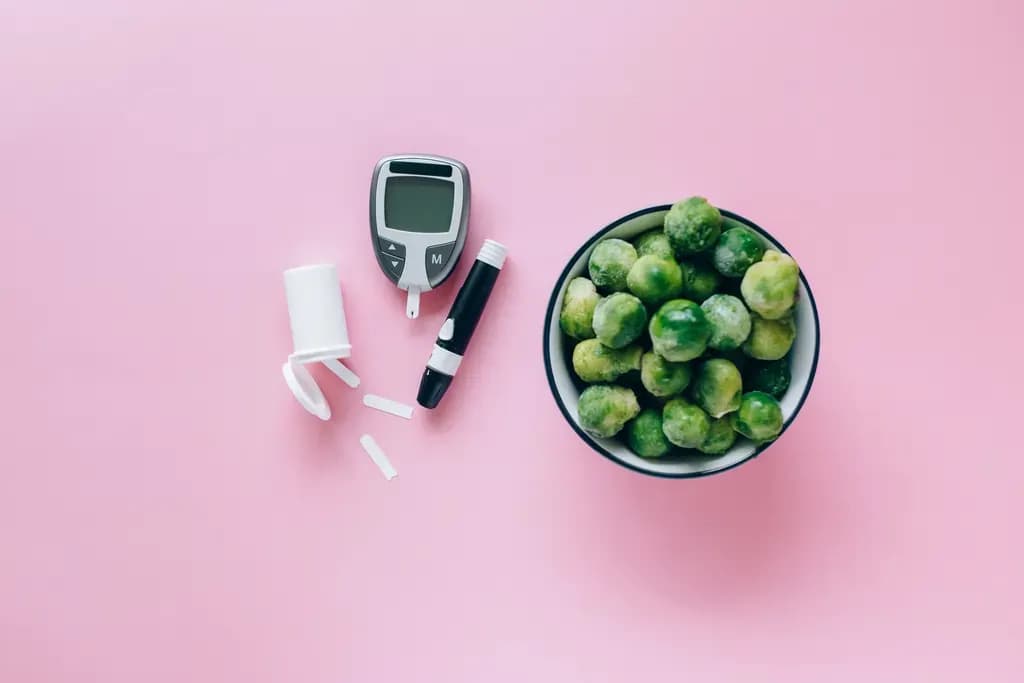
Starting the day with the right meal is important for everyone, but it becomes even more crucial for people managing diabetes. Eating a well-planned, diabetes-friendly meal can help keep your blood sugar levels steady and give you lasting energy throughout the morning.
If you are looking for healthy breakfast options that Indian households commonly prepare. Dont worry, our diabetes-friendly recipes are not only healthy and nutritious but also yummy! And you know what, they are easy to make.
Does Eating Breakfast Lower Blood Sugar?
No. However, having a healthy proportion of the right combination of foods as part of a balanced Indian breakfast can help stabilize your blood sugar levels and keep you feeling energised.
What are the Best Indian Breakfast Ideas for Diabetes?
Try to include the following types of nutrients in your breakfast:
Protein – Eggs, chilla, sprouts, sambar, low-fat paneer, etc.
Unrefined whole grains – Include steel-cut oats, unpolished dalia, chilke wali daal, and sprouts.
Vegetables – Adding vegetables like spinach, carrots, tomatoes, or beans can increase fiber and nutrients.
Plant-based fats – Nuts, seeds, and cooking oil.
Fibre-rich foods – Fiber helps slow digestion and supports better blood sugar control.
What are the Healthy Delicious Indian Breakfast Ideas for Type 2 Diabetes?
Choosing the right Indian breakfast can help people with diabetes maintain stable blood sugar levels while still enjoying tasty, satisfying meals. The key is to add fibre-rich foods, protein, and complex carbohydrates that release energy slowly.
Here are some healthy breakfast options Indian households can easily prepare:
1. Oats:
Oats are a high-fibre, slow-digesting whole grain that keeps you full longer. You Will Need:
● Steel-cut oats 2–3 tablespoons
● Choice of low-fat milk
● Sabja or chia seeds – 1 teaspoon
● Handful of nuts (almonds or walnuts)
● A cup and a spoon
How to Prepare:
• In a cup, add sabja or chia seeds.
• Cook the steel-cut oats in water.
• Make sure there is enough milk because the seeds will expand overnight.
• Let the mixture soak overnight.
• In the morning, add a handful of nuts and mix well.
| Tip: Sabja or chia seeds are rich in fiber and may help support better blood sugar levels and improve insulin sensitivity. |
2. South Indian Breakfast – Idli
Idlis are soft, healthy, and easy to digest, and when made with good ingredients, they can help keep blood sugar levels steady.
You Will Need:
● Moong dal and urad dal
● Vegetables like finely chopped carrots, beans, cauliflower, and peas
● 1 tsp methi seeds (fenugreek seeds)
● Salt to taste
● Unrefined oil
● Water
How to Prepare:
• Soak the dals and methi seeds in a bowl with enough water for about 2–3 hours.
• Drain and place them in a blender; add a little water and blend into a smooth batter.
• Transfer the batter to a bowl. Add salt and a cup of water, and whisk until it forms a thick batter-like consistency. You can also add grated vegetables to the batter.
• Let the mixture ferment overnight.
• Mix it again in the morning and use it to make idlis the same way you would with regular idli batter.
• You can also use the same batter to make dosas.
3. Lauki Thepla
Lauki thepla is a dish made with bottle gourd and whole grains, making it a fibre-rich and satisfying meal. Lauki thepla is also light on the stomach and may help prevent acidity.
You Will Need:
● Grated lauki (bottle gourd)
● Whole wheat flour and besan (50:50 ratio)
● Low-fat curd
● Salt to taste
● Chilli powder
● Turmeric powder
● Whole wheat flour on a plate for rolling
● Unrefined oil
● Water
● Bowl
● Rolling pin (belan)
● Tawa
How to Prepare:
• In a bowl, mix grated lauki, whole wheat flour, besan, curd, salt, chilli powder, and turmeric powder.
• Add a little oil and water if required, and knead the mixture into a soft dough.
• Grease your hands with a little oil and knead the dough again to make it smoother.
• Divide the dough into small balls.
• Roll each ball into a roti using whole wheat flour for dusting.
• Heat a tawa and cook the rolled theplas until they turn golden brown on both sides.
Bottle gourd (lauki) is high in fiber and can help support better blood sugar levels for people managing diabetes.
4. Protein-Rich Indian Breakfast for Diabetes – Moong Dal / Besan Pancake (Chilla)
Moong dal or besan chilla is a tasty, protein-rich Indian breakfast option for people managing diabetes. Moong dal has a low glycemic index, which means it digests slowly and helps support stable blood sugar levels.
You Will Need:
● Yellow moong dal (split yellow gram) or besan
● Grated ginger
● Chopped green chillies
● Salt to taste
● Chopped onions
● Chopped coriander (dhaniya) leaves.
● Peanut oil or any unrefined oil
● Water
● Pan
● Bowl and ladle
● Blender
How to Prepare:
• Soak the moong dal in water and keep it aside for about 30 minutes to 1 hour.
• Drain the water.
• Add the soaked lentils, green chillies, ginger, and coriander to a blender. Add a little water and blend into a thick batter.
• Transfer the batter to a bowl and mix in the chopped onions and salt. Stir well.
• Heat a pan and lightly grease it with 1 teaspoon of oil.
• Pour a ladle of batter in the center and spread it in a circular motion to form a thin pancake.
• Cook on both sides until it turns golden brown.
Moong dal is rich in protein and fiber, which helps keep you full for longer.
5. Type 2 Diabetes Breakfast Recipe with Eggs:
Eggs are versatile and easy to include in your meals. They are rich in protein and can help support stable blood sugar levels for people managing diabetes.
How to Add Eggs to Your Favorite Breakfast Items:
● Use a regular omelet recipe but make it healthier by adding a variety of colourful vegetables.
● Pair scrambled eggs with dishes like poha, upma, or paratha to increase the protein content.
● Use eggs along with besan to make protein-rich chilas.
● Enjoy hard-boiled eggs or sunny-side-up eggs as a simple breakfast option.
Eggs are high in protein, which helps keep you feeling full for longer and supports balanced blood sugar levels. They can also help slow the rate of glucose absorption in the body.
What are the Smart Breakfast Tips for Managing Type 2 Diabetes?
Balance Your Plate: Aim for a mix of proteins, healthy fats, and high-fibre carbohydrates. This combination helps maintain stable blood sugar levels and keeps you full for longer.
Choose Low-Glycemic-Index Foods: Opt for foods with a low glycemic index (GI) to ensure a slower rise in blood glucose. Include Indian grains like barley (jau), pearl millet (bajra), ragi, and jowar, as well as legumes like chickpeas (chana) and lentils (dal).
Incorporate Healthy Proteins: Include lean proteins in your breakfast for a balanced meal. Options include paneer, lentils, moong dal chilla, or egg bhurji.
Include Healthy Fats: Include heart-healthy fats to help you feel full longer and slow down digestion. Use small amounts of healthy oils like mustard oil or ghee, and add seeds such as flaxseeds (alsi) or chia seeds (sabja). Nuts such as almonds and walnuts are also great choices for nutrition and satiety.
Add Fibre-Rich Food: Start your day with high-fibre breakfasts that support digestion and help control blood sugar. Include vegetables like beans, carrots, and cauliflower in omelettes, parathas, or savoury pancakes for a healthy, filling morning meal.
Watch Portion Sizes: Even healthy foods can raise your blood sugar levels if you eat too much, so it is important to watch your portion sizes.
Limit Sugars and Refined Carbs: Avoid sugary cereals, white bread, and pastries, as they can cause rapid spikes in blood glucose levels.
Stay Hydrated: Start your day with a glass of water, and consider adding unsweetened tea or coffee to your breakfast.
Prepare in Advance: If mornings are rushed, try to plan ahead. Prepare easy-to-grab options such as overnight oats or hard-boiled eggs.
Monitor Your Blood Sugar: Track how different food items affect your glucose levels to understand which meals work best for your body.
Consult a Professional: A dietitian or endocrinologist specializing in diabetes can provide personalized advice tailored to your lifestyle, preferences, and health needs.
How PB Health Can Support You?
When a loved one needs care, the first thing you want is clarity. You want to understand the potential costs, the expected recovery timeline, and the next steps. Most importantly, you want confidence that every recommendation is truly necessary.
From consultation to discharge, you shouldn’t have to coordinate between doctors, labs, pharmacies, and insurance. Your focus should be on being by your loved one’s side, and your time should matter. There should be a single, clear point of ownership guiding the entire journey.
Even after returning home, support should continue through structured follow-ups and attention to long-term health. Families and caregivers deserve to feel supported, not left to navigate the process alone.
At PB Health, this is how we believe healthcare should work, not as a promise, but as a basic standard. If this aligns with the standard you expect, you can know more by visiting our website, PB Health.