

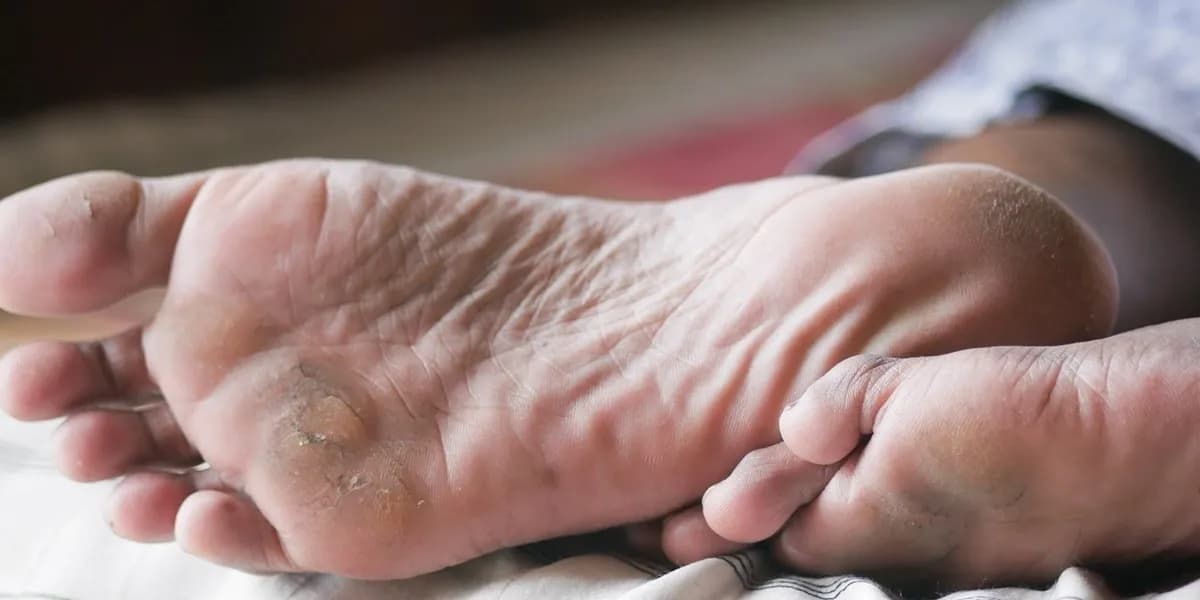
When managing diabetes, foot care can sometimes feel like just another item on the long list of things to monitor. But for those with diabetes, foot health is more important than it may seem.
In some cases, unmanaged foot issues can lead to complications like gangrene, where blood flow becomes so limited that parts of the tissue start to die. It surely can sound alarming, but understanding it in detail and how you can prevent it is half the battle won. 😃
What’s Gangrene?
If a branch doesn’t get water, it dries up and dies. Similarly, gangrene occurs when a body part doesn’t get enough blood flow or gets a severe infection, leading to tissue death.
Unfortunately, people with diabetes are more prone to gangrene, especially in their feet, because diabetes can reduce blood flow and damage nerves.
What are the Types of Gangrene in Diabetes?
In diabetes, gangrene mainly shows up in two types:
- Dry gangrene is when tissue dies due to poor blood flow, turning dry, black, or brown.
- Wet gangrene is when tissue dies due to infection, causing swelling, pus, and rapid spread.
What is the Difference Between Diabetes Foot and Gangrene?
“Diabetes foot” typically refers to a range of foot issues caused by diabetes, including nerve damage, poor circulation, and ulcers.
Gangrene, however, is more severe, as it involves tissue death. While diabetes foot problems can be managed with proper care, gangrene is an advanced condition that may result from unmanaged diabetes foot issues, especially when blood flow to the area is severely restricted.
What are the Signs and Symptoms of Gangrene in Diabetes?
Gangrene might feel overwhelming, but understanding the symptoms can help in recognising it early. Common signs include:
- Skin Discolouration: Affected areas may turn pale, blue, or black.
- Unusual Sensations: Tingling or numbness in the affected area.
- Swelling or Blisters: Especially with wet gangrene, blistering may occur.
- Unpleasant Odour: Gangrene can produce a foul odour, especially in the case of wet gangrene.
- Pain or Tenderness: Initially, the area may be painful before losing sensation.
If any of these symptoms are noticed, reach out to your doctor for immediate assessment.
What Causes Gangrene in Diabetes?
Gangrene in diabetes happens when high blood sugar leads to complications that affect blood flow and healing. The main causes include:
- Diabetes and Poor Blood Circulation
- Nerve Damage (Neuropathy)
- High Blood Sugar Levels
- Infections (such as foot ulcers, cellulitis – bacterial skin infections, osteomyelitis – bone infection, and skin infections)
What are the Risk Factors for Gangrene in Diabetes?
Certain factors make people with diabetes more prone to developing gangrene. These include:
- Poor Blood Circulation
- Nerve Damage (Neuropathy)
- Weakened Immune System
- Smoking
- High Blood Sugar Levels
How is Gangrene Diagnosed in People with Diabetes?
If you experience any of the symptoms mentioned earlier, consult your doctor immediately. Delaying care can worsen the condition.
Depending on your condition, your doctor may refer you to a specialist, such as a vascular surgeon or an infectious disease specialist. The specialist will assess your condition and recommend appropriate tests and treatment to manage the situation effectively.
Some of the diagnosis process typically involves:
- Physical Exam: To check for discolouration, swelling, or signs of infection.
- Imaging Tests: X-rays, MRIs, or CT scans to determine the extent of tissue damage.
- Blood Tests: To identify infections or increased white blood cell counts.
- Cultures: To detect bacteria in cases of wet gangrene, helping guide treatment.
How is Gangrene Treated?
If you have been diagnosed with gangrene, your doctor will assess the type and severity to determine the best treatment for you. Treatment options may include:
- Medication: Antibiotics to fight infection and pain relievers to manage discomfort.
- Debridement: Removal of dead tissue to prevent the infection from spreading.
- Surgery: In severe cases, amputation may be needed to protect healthy tissue.
- Hyperbaric Oxygen Therapy: High-oxygen environments to promote healing and reduce bacterial growth.
Each case is unique, so a personalised approach is often required for effective treatment.
How to Reduce Your Risk of Developing Gangrene?
Prevention is always BETTER than cure – especially for people with diabetes. Taking proactive steps to reduce the risk of complications is essential. Here are some practical and easy-to-follow tips to help safeguard your health:
- Monitor Blood Sugar: Keep blood sugar levels within target ranges to maintain blood vessel health. Regular checks can help you notice and manage spikes early as part of effective diabetes management.
- Inspect Feet Daily: Take a few minutes each day to look for any cuts, blisters, swelling, or colour changes. Use a mirror or ask for help if you have difficulty seeing the bottoms of your feet.
- Maintain Good Foot Hygiene: Wash your feet daily with warm water and mild soap, and dry them thoroughly, especially between the toes.
- Moisturise Before Sleeping: Apply a gentle moisturiser before bed to prevent dryness and cracking. Avoid applying between the toes to reduce moisture buildup.
- Wear Proper Footwear: Choose well-fitted, comfortable shoes with good support to reduce the risk of pressure sores and injuries. Avoid going barefoot, even indoors, to prevent accidental cuts or injuries.
- Avoid Tight Socks or Shoes: Wear socks that fit well and avoid tight shoes that could restrict blood flow or cause blisters.
- Regularly Visit Your Doctor: Schedule regular check-ups with your doctor to monitor your foot health and identify any issues early.
- Special Attention During Monsoon Season: Moist and damp conditions during monsoon can increase the risk of infections. Keep your feet dry and clean, and change socks if they get wet.
- Stay Active: Gentle exercises like walking can help improve blood circulation in your feet and lower legs, reducing the risk of poor blood flow.
- Avoid Smoking: Smoking restricts blood flow, which can worsen circulation issues. Quitting can improve circulation and overall health.
When to See a Doctor?
If you notice any signs of gangrene or unusual symptoms in your feet, consult your doctor immediately. Early intervention can prevent the progression of gangrene and reduce the need for severe measures like amputation.
How Can PB Health Support You?
When someone in your family needs care, you should not have to worry about what happens next or who is responsible for each step.
At PB Health Hospital, IFFCO Chowk, Gurgaon, we believe wellness requires continuity, coordination, and consistent follow-through. Our doctors and care teams work together, supported by technology that helps track progress, organise follow-ups, and keep information clear and accessible. From prevention to recovery, every stage is managed thoughtfully so that nothing important is missed and nothing is left unclear.
To understand more about our approach, you can visit our website, PB Health.