

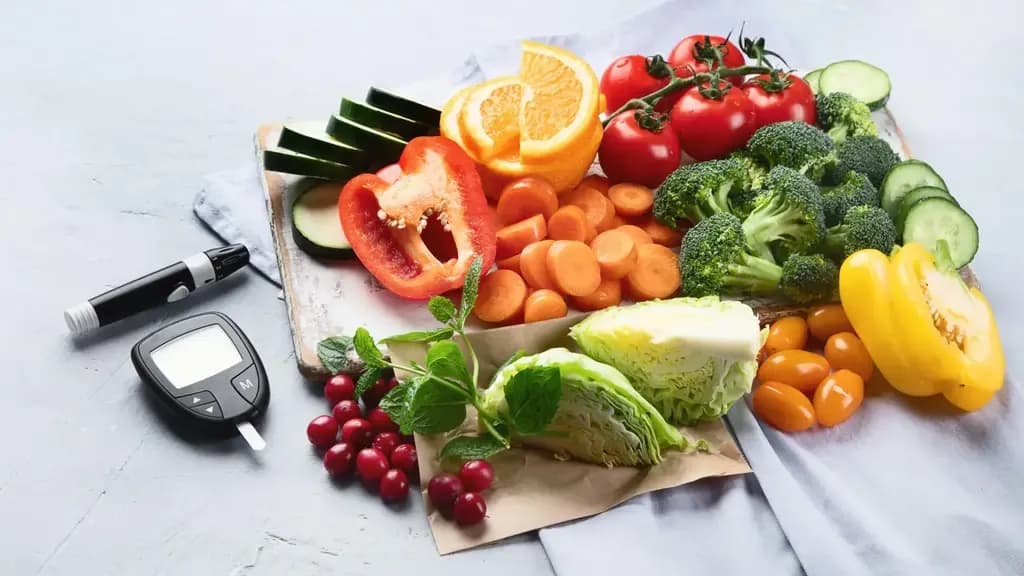
We all want to make healthier food choices, but with so much advice out there, it’s hard to know what really works - especially when managing blood sugar. You may have heard that eating low-glycemic foods can help, but what does that mean in everyday life?
Think about the difference between eating a bowl of plain white rice with little sabzi or achar versus a bowl of dal, brown rice, a side of green vegetables and a good portion of salad. One causes a quick rise in blood sugar, while the other provides steady energy. That’s the power of choosing the right foods!
But eating healthy shouldn’t feel restrictive or complicated. In this blog, we’ll explore everyday foods with the lowest glycemic index and simple ways to include them in your meals without overthinking.
So, let's start with knowing about the glycemic index first.
What is the Glycemic Index?
The Glycemic Index (GI) is a ranking system that measures how quickly a carbohydrate-containing food (which is every vegetarian food, actually) raises blood sugar levels. It is scored on a scale of 0 to 100, with pure glucose (sugar) serving as the reference point at 100. ● Low GI (≤55): Foods that cause a slow, gradual rise in blood sugar. These are best for anyone who is trying to keep their blood sugar levels in control, especially those with diabetes. e.g., guava, lentils, nuts
● Medium GI (56-69): Foods that have a moderate effect on blood sugar (e.g., sweet corn, bananas).
● High GI (≥70): Foods that cause a rapid spike in blood sugar (e.g., white bread, pasta, mithai, etc.).
Why is knowing the GI of foods important?
Eating low-GI foods can help keep your blood sugar steady, give you longer-lasting energy, and make managing diabetes and weight easier. But it’s not just about picking “good” or “bad” foods based on numbers - it’s about actually understanding how food affects your body.
8 Key Features of Low-Glycemic Index (GI) Foods
A low-GI diet is not about avoiding carbs completely. It’s about choosing better carbs that provide steady energy and don’t cause sudden spikes in blood sugar. Here are some simple everyday examples:
1️⃣ Slower Sugar Release
Low-GI foods digest slowly, keeping you energised for longer without sudden sugar spikes.
👉 Example: Green leafy vegetables (like spinach or methi) release sugar slowly, while starchy vegetables (like potatoes) cause a quicker rise.
2️⃣ Carbohydrate Quality Matters
Whole grains, dals, and vegetables break down gradually, while refined carbs like maida and sugar cause a sudden jump in blood sugar.
👉 Example: Short-grain sticky rice raises blood sugar faster than long-grain basmati rice. Similarly, white rice (high GI) causes a quicker spike compared to brown or black rice (lower GI) due to its fiber content.
3️⃣ Fiber Slows Down Digestion
Fiber-rich foods slow sugar absorption and keep you full longer.
👉 Example: Phulka (made with whole wheat) has a lower GI than naan (made with maida), making it a better choice for stable energy levels.
4️⃣ Ripeness of Fruits Matters
As fruits ripen, their starch converts into sugar, increasing their GI.
👉 Example: Raw mango (low GI) vs. ripe mango (high GI), semi-ripe papaya vs. fully ripe papaya.
5️⃣ Cooking Method Affects GI
Overcooking or mashing makes food easier to digest, leading to a faster rise in blood sugar.
👉 Example: Mashed potatoes (high GI) vs. sautéed or boiled potatoes with skin (lower GI). We use mashed potatoes to make stuffing in dishes like batata vada bonda, masala in masala dosa, or plain chokha, which is also mashed potato.
6️⃣ Food Combinations Impact Sugar Absorption
Pairing carbs with protein or healthy fats slows down sugar release.
👉 Good combo: Sattu paratha (made with roasted gram flour, rich in protein) with curd. 👉 Bad combo: Aloo paratha (high in carbs) with butter alone—without enough protein or fiber (like salad, dahi, etc.), it can spike sugar levels.
7️⃣ Acidity Lowers GI
Adding natural acids like lemon, vinegar, or tamarind slows digestion and reduces the GI of a meal.
👉 Example: Squeezing lemon on dal-chawal or adding vinegar to a salad helps control sugar spikes. Also, adding tamarind to sambhar.
8️⃣ Portion Size Still Matters
Even low-GI foods can raise blood sugar if eaten in excess. Moderation is key!
👉 Example: A bowl of brown rice is great, but eating three bowls at a time will still raise your sugar levels!
5 Health Benefits of Eating Low-GI Foods
A low-GI diet is backed by research on diabetes management, weight control, and long-term health. Here’s how it helps:
1️⃣ Better Blood Sugar Control
Helps prevent sudden spikes & crashes, reducing diabetes risk and improving insulin function.
2️⃣ Aids Weight Management
Keeps you full longer, reducing cravings and preventing overeating.
3️⃣ Sustained Energy Levels
Provides long-lasting energy instead of quick bursts, keeping you active and reducing fatigue.
4️⃣ Supports Heart Health
Helps manage cholesterol & blood pressure, reducing the risk of heart disease.
5️⃣ Better Digestion & Gut Health
Fibre-rich low-GI foods improve digestion, prevent constipation, and support gut bacteria.
List of Foods With Lowest Glycemic Index
Here is a list of foods in their raw state and their respective GI indices:
1. Legumes and Pulses
| Food | Glycemic Index (GI) |
|---|---|
| Bengal Gram (Chana Dal) | 8 |
| Chana Dal + Wheat | 23–41 |
| Mixed Dal | 37–51 |
| Red Gram (Toor Dal) | 38–48 |
| Green Gram (Moong Dal) | 38–47 |
| Masoor Dal (Red Lentils) | 39–46 |
| Wheat + Chana Dal + Barley | 34–45 |
| Chickpeas | 28–37 |
| Kidney Beans | 22–25 |
| Soybeans | 15–20 |
2. Grains & Cereals
| Food | Glycemic Index (GI) |
|---|---|
| Bajra (Pearl Millet) | 54 |
| Barley | 25 |
| Broken Wheat | 41 |
| Oats | 55 |
| Sweet Corn | 52–57 |
| Spaghetti (White) | 49–51 |
| Spaghetti (Whole Wheat) | 48–53 |
3. Vegetables
| Food | Glycemic Index (GI) |
|---|---|
| Carrot (Raw) (Gajar) | 16 |
| Onion (Pyaz) | 10 |
| Cabbage (Pattagobhi) | 10 |
| Green Peas (Hari Matar) | 22 |
| Radish (Mooli) | 8 |
| Eggplant (Brinjal) (Baingan) | 15 |
| Cauliflower (Gobhi) | 10 |
| Tomato (Tamatar) | <15 |
| Cucumber (Kheera) | 15 |
| Ladies' Finger (Bhindi) | 20 |
| Green Beans (Hari Sem Fali) | 32 |
4. Fruits
| Food | Glycemic Index (GI) |
|---|---|
| Mango (Raw) (Kaccha Aam) | 51–56 |
| Pomegranate (Anar) | 18–21 |
| Guava (Amrud/Peru) | 12–15 |
| Orange (Santra) | 43–46 |
| Apple (Seb) | 36–38 |
5. Dry Fruits
| Food | Glycemic Index (GI) |
|---|---|
| Dates | ~50 |
| Apricots | 42–47 |
| Pistachio | 28 |
| Cashew | 25 |
6. Dairy & Alternatives
| Food | Glycemic Index (GI) |
|---|---|
| Milk (Full Fat) | 39–41 |
| Milk (Skim) | 37–41 |
| Ice Cream | 51–54 |
| Yogurt (Fruit) | 41–43 |
| Soy Milk | 34–38 |
7. Cooked Food
| Food | Glycemic Index (GI) |
|---|---|
| White Chickpeas Sundal | 23–35 |
| White Peas Sundal | 18–30 |
| Broken Wheat Upma | ~52 |
GI acts as a speedometer for everything you eat. Foods with higher values quickly raise your blood sugar levels but also drop them just as quickly, creating a roller coaster for your energy levels and diabetes management.
A low GI diet, on the other hand, is a smooth, sustained leisure ride—ideal for maintaining stable blood sugar levels, weight control, and overall fitness.
9 Tips for Following a Low-GI Diet
Eating a low-GI diet doesn’t have to be complicated. These simple tips will help:
✅ Choose Whole Grains – Swap white rice with brown rice and maida-based roti with whole wheat, jowar, or bajra roti.
✅ Eat More Fibre – Include dals, vegetables, sprouts, and fruits with their skin to slow sugar absorption.
✅ Pair Foods Smartly – Combine carbs with protein or healthy fats. Example: Have roti with dal and sabzi instead of plain roti.
✅ Limit Sugary Foods – Avoid sugary snacks, soft drinks, and sweets. When craving something sweet, eat fruit with nuts for balanced sugar release.
✅ Be Mindful of Cooking – Avoid overcooking rice and pasta. Eat vegetables lightly cooked or raw whenever possible.
✅ Snack Wisely – Pick nuts, roasted chana, makhana, or fruit with curd instead of biscuits or namkeen.
✅ Stay Hydrated – Drinking enough water helps with digestion and prevents sugar spikes.
✅ Plan Your Meals – Sudden hunger can lead to high-GI food choices. Plan balanced meals with protein, fiber, and healthy fats.
✅ Read Labels – If buying packaged food, check for added sugars and refined flour, even in so-called "healthy" products like muesli or energy bars.
Other Health Benefits of a Low-GI Diet
A low-GI diet is not just for blood sugar control - it has several other health benefits:
✅ Better Weight Management – Low-GI foods keep you full longer, preventing overeating. Example: A bowl of poha with peanuts keeps you full longer than a sugar-loaded biscuit.
✅ Sustained Energy Levels – Instead of quick energy spikes and crashes, low-GI foods provide a steady release of energy. A whole-wheat paratha with curd for breakfast keeps you active longer than a sugar-laden tea and toast.
✅ Heart Health – Low-GI foods help maintain cholesterol levels and reduce the risk of heart disease. Whole grains, dals, and nuts are great choices.
✅ Better Digestion – High-fibre, low-GI foods like millet and vegetables improve digestion and prevent constipation.
✅ Lower Risk of Lifestyle Diseases – A diet rich in low-GI foods can help prevent Type 2 diabetes, high blood pressure, and obesity.
✅ Improved Mental Focus – Stable blood sugar levels prevent energy crashes, improving concentration and productivity.
✅ Reduced Food Cravings – Since low-GI foods keep you full longer, they help reduce cravings for unhealthy snacks.
How Can PB Health Support You?
PB Health is a complete healthcare platform that takes care of every step of your health journey, from preventive health checks and doctor consultations (in-person or online) to specialist care, hospital treatment, recovery, follow-ups, home care, and even insurance coordination. Our doctors and care teams work together using technology to track your progress and ensure you receive the right care at the right time.
To understand more about our approach, you can visit our website, PB Health.