




A sudden fever may seem like a routine viral infection. However, dengue can sometimes progress to a serious illness, making it important to recognise the warning signs early.
In Gurgaon, mosquito breeding can increase during and after the monsoon, particularly in areas where stagnant water collects. Knowing the symptoms, understanding when to seek medical care and following preventive measures can help protect you and your family.
This article covers seven warning signs of dengue, how doctors diagnose and treat the infection, and ways to reduce your risk.
What Is Dengue Fever?
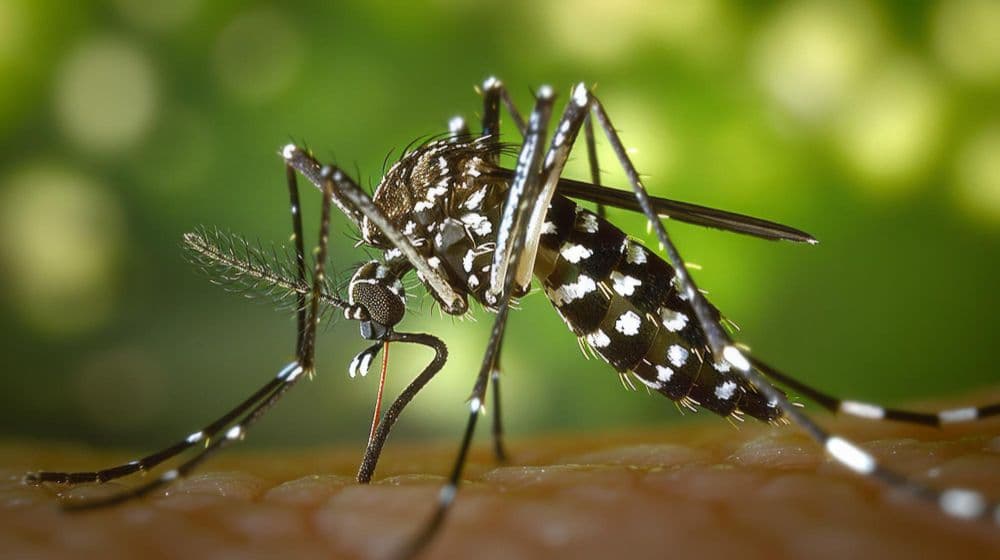
Dengue is a viral infection transmitted through the bite of an infected Aedes mosquito, particularly Aedes aegypti. These mosquitoes often breed in containers holding stagnant water and commonly bite during the daytime.
According to the World Health Organisation (WHO), dengue can cause mild illness or develop into a severe condition requiring urgent medical attention.
7 Dengue Warning Signs You Should Never Ignore
Symptoms usually begin 4 to 10 days after a bite from an infected mosquito. Some people recover without complications, while others may develop severe dengue.
1. Sudden High Fever: A sudden fever, sometimes reaching 40°C (104°F), is common. Chills, body aches and weakness may accompany it. Since other infections can cause similar symptoms, consult a doctor if you develop a sudden or persistent fever, especially during a dengue outbreak.
2. Severe Headache and Pain Behind the Eyes: Dengue can cause intense headaches and pain behind the eyes. The discomfort may worsen when you move your eyes. Seek medical evaluation if the headache is severe or accompanied by confusion, persistent vomiting or other concerning symptoms.
3. Severe Muscle and Joint Pain: Dengue is sometimes called breakbone fever because of the intense muscle, bone and joint pain it can cause. You may experience back pain, aching limbs and muscle tenderness that make everyday activities difficult. Rest and adequate fluid intake can help, but seek medical advice if symptoms are severe.
4. Persistent Vomiting: Nausea and reduced appetite can occur during dengue. However, persistent vomiting is a warning sign, particularly when you cannot keep fluids down. Repeated vomiting can lead to dehydration and may indicate a more serious illness. Seek urgent medical assessment rather than relying on home remedies.
5. Severe Abdominal Pain: Severe or persistent abdominal pain or tenderness can indicate severe dengue. It may develop as the fever begins to subside. Do not dismiss worsening stomach pain as indigestion, especially if it occurs alongside vomiting or unusual weakness.
6. Bleeding from the Nose or Gums: Dengue can affect blood vessels and the body's clotting process. Warning signs may include:
- Bleeding from the nose or gums.
- Blood in vomit or stools.
- Unusually heavy menstrual bleeding.
- Easy bruising or unexplained bleeding under the skin.
7. Extreme Weakness, Restlessness or Difficulty Breathing: Unusual restlessness, extreme weakness, confusion, cold or pale skin, and difficulty breathing may indicate serious complications, including shock. Seek emergency medical care immediately if these symptoms occur. Dengue can become severe even after the fever starts to settle, so a normal temperature does not always mean recovery.
What Causes Dengue Fever?
Dengue is caused by the dengue virus, which spreads primarily through bites from infected Aedes mosquitoes. It does not usually spread directly between people through ordinary contact.
Common mosquito breeding sites include:
- Water collected in coolers, flower pots and buckets.
- Uncovered water storage tanks.
- Discarded containers and stagnant water around construction sites.
- Poorly maintained areas where rainwater accumulates.
A previous dengue infection can increase the risk of severe illness during a subsequent infection with a different dengue virus type.
How Is Dengue Diagnosed?
Because dengue symptoms overlap with those of malaria, chikungunya, and other infections, a doctor may recommend blood tests based on your symptoms and how long you've been ill.
Common investigations include:
- NS1 antigen test: Often useful early in the infection.
- Dengue RT-PCR: Detects viral genetic material, particularly early in the illness.
- IgM antibody test: Helps identify the immune response, especially later in the illness.
- Complete blood count (CBC): Measures platelet count, white blood cells and haematocrit to help monitor the patient's condition.
The timing of testing matters, and a doctor may recommend repeat investigations depending on the clinical findings. A platelet count alone cannot determine whether dengue is severe.
What Is the Treatment for Dengue Fever?
No specific antiviral medicine cures dengue. Treatment focuses on relieving symptoms, maintaining hydration, and monitoring for complications.
For uncomplicated dengue, a doctor may recommend:
- Fluids: Drink water or oral rehydration fluids as advised.
- Rest: Avoid strenuous activity during recovery.
- Paracetamol: May help reduce fever and pain when taken at the recommended dose.
- Follow-up monitoring: Attend appointments and complete blood tests when advised.
Avoid aspirin, ibuprofen and other non-steroidal anti-inflammatory drugs (NSAIDs) unless specifically advised by a qualified clinician, as they can increase the risk of bleeding. Patients with warning signs may require hospital admission and carefully monitored fluid treatment. Do not start antibiotics, steroids or platelet transfusions without medical advice.
How Can You Prevent Dengue in Gurgaon?
Reducing mosquito breeding and preventing mosquito bites are important steps in dengue prevention.
- Empty and scrub water containers at least once a week.
- Keep water storage tanks tightly covered.
- Clean coolers and flower trays regularly.
- Use mosquito repellents as directed on the product label.
- Wear clothing that covers your arms and legs when practical.
- Install window screens and use mosquito nets where appropriate.
- Encourage your residential society to remove stagnant water from shared areas.
How Can PB Health Support You?
PB Health Hospital, IFFCO Chowk, Gurgaon, offers medical evaluation for suspected dengue, including symptom assessment, appropriate blood tests and treatment guidance through its Internal Medicine department.
If you experience severe abdominal pain, persistent vomiting, unusual bleeding or extreme weakness, seek immediate medical attention, even if your fever has subsided.