

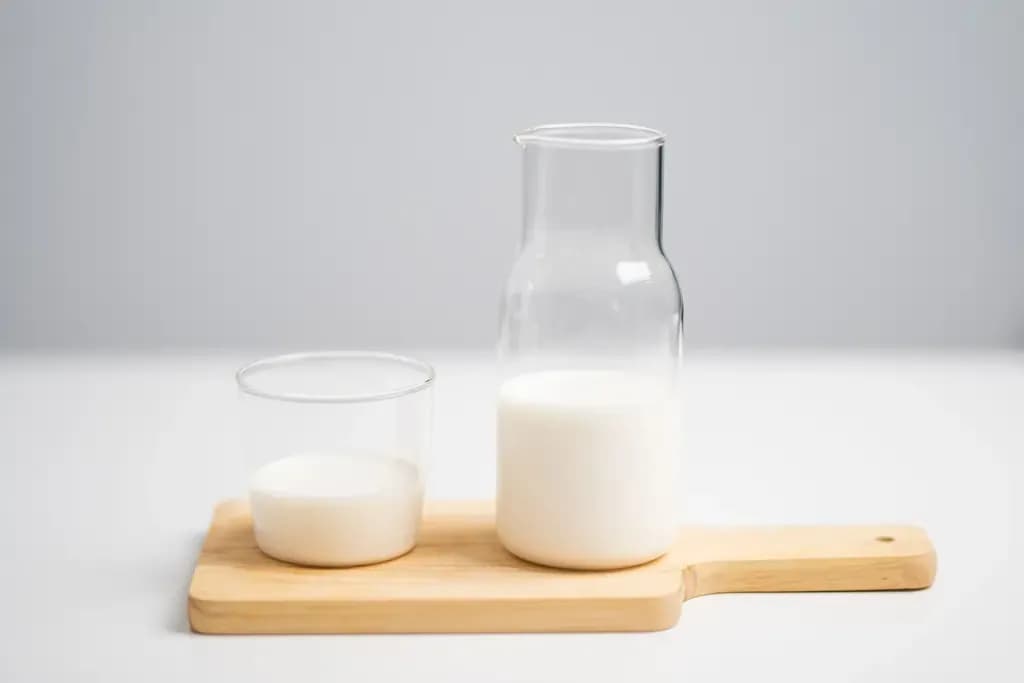
If you are lactose intolerant or prefer dairy alternatives, these are great choices.
Not only are they made for people who cannot tolerate lactose, but they can also help you control blood sugar better, thanks to their low Glycemic Index (GI) in unsweetened forms. These products are readily available in Indian markets and provide a healthier substitute for those looking to avoid animal-based dairy.
What are the Milk Alternatives?
Milk alternatives are drinks made from nuts, grains, seeds, or legumes instead of dairy milk. They are a good option for people who are lactose intolerant, follow a vegan diet, or want to reduce animal-based foods in their daily routine.
These milk alternatives come in various flavours and nutritional profiles, offering unique benefits like lower sugar content and specific nutrients.
Types Of Alternative Milks
1. Oat Milk
Oat milk is a moderate-GI alternative with a GI of 55-60. Made by blending oats with water, it has a naturally sweet taste.
Unsweetened versions are available for better blood sugar control and are a rich source of fiber, providing a creamy texture, making them a great substitute for traditional milk.
2. Almond Milk (Unsweetened)
With a low GI (~30), unsweetened almond milk is perfect for managing blood sugar. It is made by blending almonds with water and is low in calories, containing heart-healthy fats and vitamin E. It is a light, dairy-free milk alternative that works well in beverages and cereals.
3. Soy Milk (Unsweetened)
Soy milk has a low GI of 34. It contains an essential amino acid, making it a great choice for adding plant-based protein to your diet, and its low GI makes it ideal for blood sugar management.
4. Coconut Milk
Coconut milk is made by extracting the liquid from grated coconut. It’s thicker and creamier than most plant-based milks and is commonly used in cooking. At the same time, it provides fats; coconut milk is lower in protein, so it’s best combined with other protein sources.
5. Rice Milk
Rice milk is a mild, sweet plant-based milk. It’s made by blending rice with water and straining it.
Rice milk is low in protein and higher in carbohydrates, giving it a higher GI than some other milks. Unsweetened rice milk is better for those managing blood sugar.
6. Cashew Milk
Cashew milk has a low GI (~30) and is made by blending cashews with water. It’s rich in healthy fats and has a creamy texture, making it ideal for smoothies or coffee. It’s lower in protein than soy milk but offers a good source of magnesium and other nutrients.
7. Hemp Milk
Hemp milk is made by blending hemp seeds with water. It is a good source of omega-3 fats and plant-based protein. It has a mild, nutty taste and can be added to smoothies, cereals, or used in baking.
8. Pea Milk
Pea milk is made of yellow split peas and has a low glycemic index (around 30). It is rich in protein and has a creamy texture like cow’s milk. Pea milk is a great source of calcium and vitamin D, making it an excellent dairy-free, high-protein milk.
Cheese Alternatives
1. Tofu
Tofu is made from soybeans and is a great plant-based alternative to cheese, with a very low GI (~0). It is high in protein and contains all nine essential amino acids. Tofu can be used in stir-fries, smoothies, or grilled for a different texture.
2. Cashew Cheese
Cashew cheese is prepared by blending soaked cashews with water and other ingredients, resulting in a creamy, low-GI cheese*. Rich in healthy fats and protein, it’s often used as a spread, dip, or in vegan sauces. Cashew cheese can also be used in cheese-based dishes, such as pizzas and pasta.
Note: The glycemic index (GI) of cashew cheese is not specifically scientifically documented. However, we can infer its potential GI based on the GI of cashew nuts, which is reported to be 25, thereby classifying them as a low-GI food.
3. Almond Cheese
Almond cheese is a creamy alternative to dairy cheese made from ground almonds and has a low GI (~15). Softer and creamier than cashew cheese, it can be used as a spread, dip, or even in recipes that call for soft cheese. It’s rich in healthy fats and protein, making it a nutritious option.
4. Soy Cheese
Soy cheese is a dairy-free cheese made from soybeans. With a low GI of around 15, it’s a great alternative to traditional cheese. Soy cheese comes in various forms, such as slices, blocks, and shredded, and is commonly used in sandwiches, pizzas, and pasta dishes.
5. Coconut-based cheese:
Coconut cheese is made from coconut oil or milk and is a great option for those avoiding dairy. It’s firm in texture and has a mild coconut flavour. It has a low GI* and is often used in vegan cheese recipes, particularly as a topping or in cheese-based sauces.
Note: While specific GI values for coconut cheese are not extensively documented, we can reference the GI of coconut itself, which ranges from 42 to 51 depending on the form and preparation of the coconut product.
Butter Alternatives
1. Vegan Butter (Plant-Based Margarine)
Vegan butter is made from plant oils such as coconut, olive, or avocado oil and has a low GI (~30). It’s used in cooking and baking as a replacement for traditional butter. Vegan butter provides healthy fats and is a good option for those following a dairy-free or vegan lifestyle.
2. Coconut Butter
Coconut butter is made from the flesh of the coconut and has a low GI (~30). It is rich in healthy fats and can be used as a spread, in baking, or in cooking. Unlike coconut oil, which is pure oil, coconut butter contains the fibre of coconut meat, making it nutrient-dense.
3. Almond Butter
Almond butter is prepared using ground almonds and has a low GI (~30). It is a healthy, low-GI butter alternative rich in healthy fats, protein, and vitamin E. Almond butter can be used as a spread, in smoothies, or as a butter replacement in various recipes.
Vegan Ice Cream
Made from plant-based milks like coconut, almond, or soy, vegan ice cream offers a creamy, dairy-free alternative to traditional ice cream. With a GI ranging from 30 to 60, it’s available in various flavours and offers a treat that’s both sweet and blood-sugar-friendly when opting for unsweetened versions.
What are the Benefits of Adding Milk Alternatives?
• Better Blood Sugar Control: Many milk alternatives, especially unsweetened options, have a low GI, making them suitable for people managing blood sugar levels.
• Low in Calories: Most plant-based milks are lower in calories than whole milk, which can help with weight management.
• Lactose-Free: Milk alternatives are ideal for lactose-intolerant individuals, as they do not contain lactose.
• Rich in Nutrients: Many plant-based milks are fortified with calcium, vitamin D, and other essential nutrients, providing a nutritious dairy-free option.
• Heart Health: Some alternatives, such as almond and soy milk, are rich in heart-healthy fats, which can support better cardiovascular health.
What are the Side Effects/Cons of Adding Milk Alternatives?
• Allergies: Some people may be allergic to nuts (such as almonds or cashews) or to soy. It’s important to check labels for allergen warnings.
• Added Sugars: Many commercially available milk alternatives, especially flavoured versions, can contain added sugars, so always choose unsweetened versions to keep sugar intake in check.
• Lower Protein Content: While soy and pea milks are good sources of protein, other options, such as rice or almond milk, contain much less protein than cow's milk.
• Nutrient Fortification: Not all milk alternatives are rich in calcium, vitamin D, or other nutrients. Look for fortified options to ensure you are getting the nutrients you need.
• Taste and Texture: Some milk alternatives may have different tastes or textures than dairy milk, which may take some getting used to.
What to Consider When Substituting Dairy with Milk Alternatives?
• Nutritional Needs: Ensure the milk alternative you choose meets your nutritional requirements, especially for calcium and protein.
• Taste Preferences: Different milk alternatives vary in taste and texture. Choose one that fits your flavour preferences for daily consumption.
• Dietary Restrictions: Consider any food allergies, such as soy or nuts, when selecting a milk alternative.
• Fortification: Some plant-based milks are fortified with essential vitamins and minerals. Check the labels for added nutrients, such as calcium and vitamin D.
• Usage: Some milk alternatives work better in cooking, while others are better for drinking or adding to coffee and smoothies.
When someone in your family needs care, you should not have to worry about what happens next or who is responsible for each step.
At PB Health, we believe wellness requires continuity, coordination, and consistent follow-through. Our doctors and care teams work together, supported by technology that helps track progress, organize follow-ups, and keep information clear and accessible. From prevention to recovery, every stage is managed thoughtfully so that nothing important is missed and nothing is left unclear.
To understand more about our approach, you can visit our website, PB Health.