


At a family lunch, a bowl of soya chunk curry was placed on the table, and everyone started eating happily. One uncle paused while eating and asked seriously, “Is this chicken or veg?” Someone else smiled and asked another question, “Are soya chunks good for diabetes?” The reply came instantly, “Yes! It is called vegetarian meat, and it helps to manage blood glucose levels when eaten in the right amounts.”
They can be an addition to a diabetes-friendly diet plan. Let us understand why soya chunks are good for blood sugar management and how they fit into a balanced, nutritious lifestyle.
What are Soya Chunks?
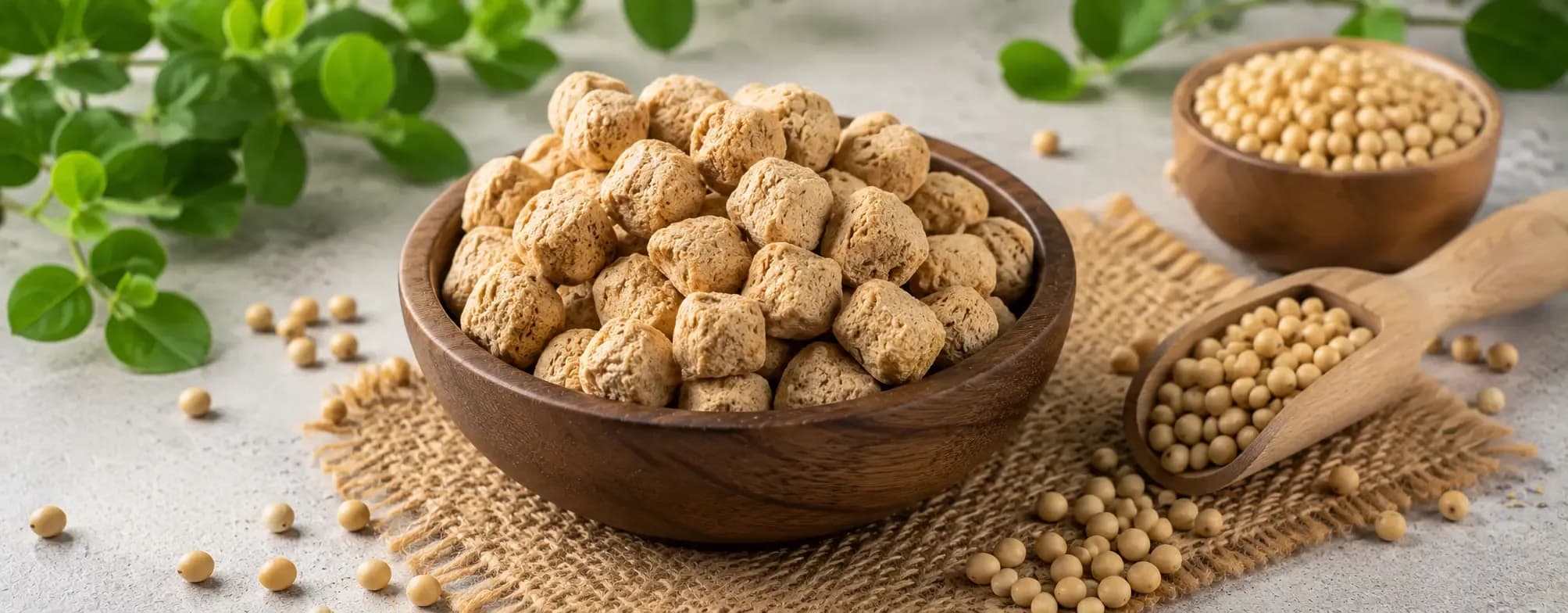
Soya chunks are chewy pieces made from defatted soy flour, which is a byproduct of soybean oil extraction. They are often called “vegetarian meat” or “soya meat” because they are high in protein and have a meat-like texture when cooked. They can be added to curries, stir-fries, soups and salads.
What Is the Glycemic Index of Soya Chunks?
Soya chunks’ glycemic index is very low, typically around 15–20, which means they release glucose slowly into the bloodstream and help to prevent sudden spikes in blood sugar levels.
What Is the Nutritional Profile of Soya Chunks?
Soya chunks are packed with nutrients, making them a healthy addition to your diet. Nutritional breakdown of 100g of soya chunks, approximately, based on IFCT 2017.
| Nutrient | Amount |
|---|---|
| Energy | 345 kcal |
| Carbohydrate | 33 g |
| Protein | 52 g |
| Total Fat | 1 g |
| Total Fiber | 1 g |
Health Benefits of Eating Soya Chunks for a Person with Diabetes?
Soya chunks are a diabetes-friendly food, rich in protein and essential nutrients. Some key health benefits for people with diabetes include:
- Helps Control Blood Sugar: With a low glycemic index (GI 15–20), soya chunks release glucose slowly, preventing sudden spikes in blood sugar.
- High in Protein: Provides a plant-based protein boost that supports muscle health and keeps you full for longer.
- Supports Weight Management: Low in fat and calories, soya chunks can help maintain a healthy weight, which is essential for managing diabetes.
- Good for Heart Health: Contains compounds that may help lower cholesterol and improve cardiovascular health, which is often a concern for people with diabetes.
- Versatile and Nutritious: Suitable for curries, stir-fries, soups, and salads, making it easy to incorporate into a balanced diet.
What are the Tasty and Healthy Soya Chunks Recipes for Diabetes?
Soya Chunks Curry
In this recipe, boiled and squeezed soya chunks are cooked in a simple tomato-based gravy with ginger and basic Indian spices using minimal oil. The curry is simmered until the soya chunks absorb the flavours.
It tastes best when eaten with multigrain roti rather than white rice. This dish provides a good source of plant-based protein and supports better blood sugar control when eaten in moderate portions.
Soya Chunks and Sprouts Salad
This refreshing salad is made by mixing boiled, chopped soya chunks with boiled sprouts, cucumber, tomato, lemon juice, and mild spices.
It is light, filling, and ideal for lunch or as a post-walk meal. The combination of protein and fibre helps slow down glucose absorption and supports stable post-meal blood sugar levels.
Soya Chunks Cutlet
Soya chunks cutlets are made by mincing boiled soya chunks, mixing them with boiled vegetables, oats powder, and mild spices, then shaping the mixture into cutlets and shallow-frying or air-frying with very little oil.
Using oats instead of breadcrumbs makes the cutlets healthier and more diabetes-friendly, while still being tasty and satisfying.
What are the Side Effects of Eating Too Many Soya Chunks?
Soya chunks are healthy when consumed in moderation, but overeating them may cause health issues.
- Digestive problems can occur because soya chunks are high in fibre and protein. Eating large amounts may cause gas, bloating, stomach discomfort, or loose stools, especially in people with a sensitive digestive system.
- Hormonal imbalance is another possible effect. Soya chunks contain natural plant compounds called phytoestrogens, which can act like estrogen in the body. When consumed in huge amounts over a long period, they may have a mild influence on hormonal balance in some individuals.
- Allergic reactions might occur in people sensitive to soy. Symptoms may include itching, rashes, swelling, or breathing difficulties.
- Kidney-related issues can arise if soya chunks are eaten in large quantities, especially by people with existing kidney problems. Eating too much of it may put extra pressure on the kidneys and can increase the chance of kidney stones, especially in people who are already at risk.
- Reduced mineral absorption is also a concern. Soya chunks contain natural compounds that can reduce the absorption of minerals such as iron and calcium. Over time, excessive intake may contribute to nutrient deficiencies.
| A point to be remembered: Even though soya chunks are high in protein, they are not very rich in dietary fibre, so it’s good to pair them with vegetables, dals, or whole grains to boost fibre intake, especially for diabetes management. |
Conclusion
Soya chunks can be a healthy, diabetes-friendly food when consumed in appropriate portions and prepared with minimal oil. Soya chunks have a low glycemic index and high protein content, which helps improve blood sugar control, enhance satiety, and support weight and heart health.
However, they should not be overconsumed. Eating soya chunks in moderate portions and pairing them with fibre-rich foods like vegetables, dals, or whole grains makes them a smart addition to a balanced diabetes diet.
Note: As with any food, balance, portion control, and variety are the keys to managing diabetes effectively.
How PB Health Can Support You
When someone in your family needs medical care, you shouldn’t have to worry about what happens next or who will manage each step.
At PB Health, we believe good healthcare requires proper planning and regular follow-up. Our doctors and care teams work together using technology to track progress, schedule follow-ups, and keep all information clear. From prevention to recovery, every step is handled carefully so nothing important is missed.
To learn more about our approach, visit the PB Health website.