
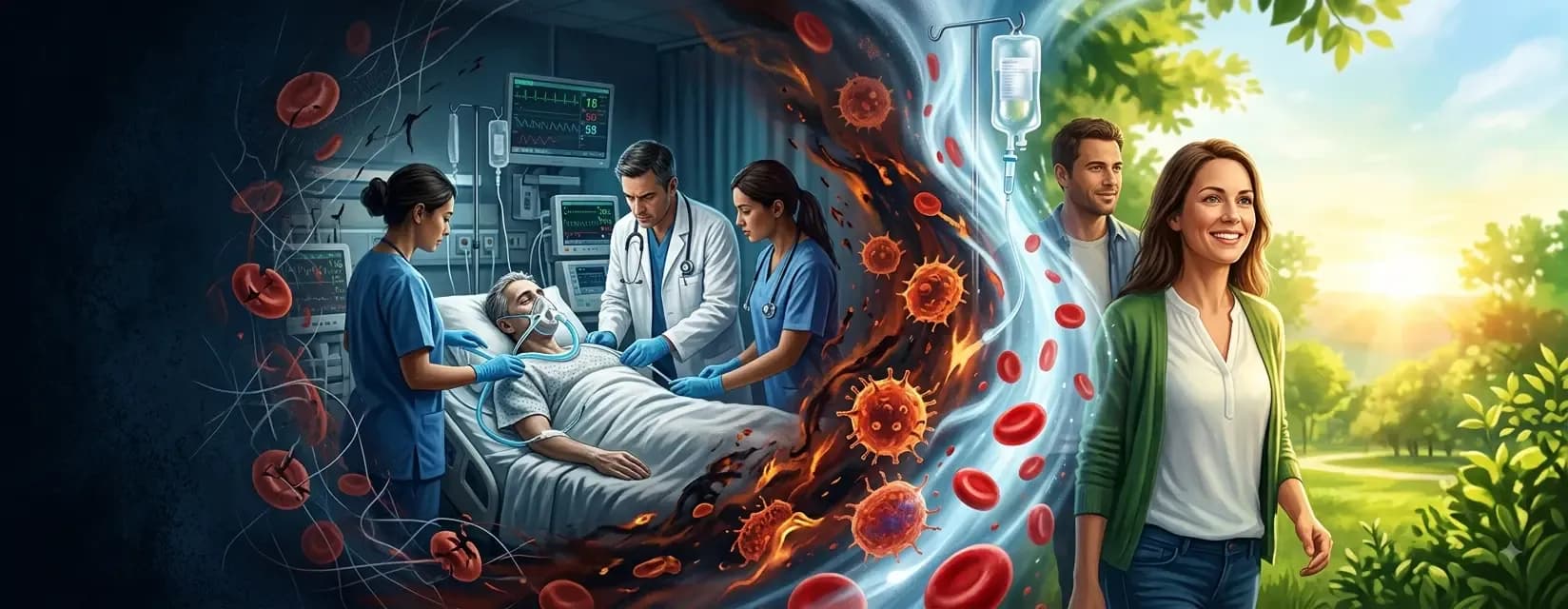

Sepsis doesn't get talked about nearly as much as it should, considering how dangerous it actually is. It's not a disease you catch on its own. It's your body's reaction to an infection going badly wrong, and that reaction can spiral fast enough to become life-threatening within hours.
Here is what sepsis is, how to recognise the warning signs, and what to know about situations such as a dog licking a wound or infection after childbirth.
What Sepsis Actually Is
According to the World Health Organisation (WHO), sepsis is a life-threatening condition that occurs when the body's response to an infection causes injury to its own tissues and organs. If it is not recognised and treated promptly, it can lead to septic shock, multiple organ failure, and death.
Sepsis can develop from many types of infections, including chest infections, urinary tract infections, infected wounds, and skin infections.
Sepsis Symptoms to Watch For
Sepsis can look different depending on what's causing it, but certain signs show up again and again.
- A fever, or sometimes a body temperature that drops unusually low
- A fast heart rate
- Rapid or difficult breathing
- Confusion or noticeably slurred speech
- Skin that looks mottled, pale, or bluish
- Feeling extremely unwell or experiencing a rapid worsening of symptoms
- Little or no urine output
One important point to remember is that sepsis does not always cause a high fever. Sometimes, a person may simply appear much more unwell than you would expect from a usual infection.
Can a Dog Licking a Wound Cause Sepsis?
Yes, it is possible, although it is uncommon.
Dogs can carry bacteria in their mouths that may cause serious infections if they enter broken skin.
One example doctors specifically watch for is Capnocytophaga, a bacterium found in dog and cat saliva that can occasionally cause severe infection and even sepsis, particularly in people with weakened immune systems.
That said, most people who get licked by a dog, even on a small cut, are completely fine. The risk goes up if:
- The wound is deep or open
- The person has a weakened immune system
- The area isn't cleaned properly afterwards
- Redness, swelling, warmth, or pus develops around the wound in the following days
If a wound licked by a dog starts looking infected, or if flu-like symptoms show up afterwards, it's worth seeing a doctor rather than assuming it'll pass on its own.
Puerperal Sepsis: A Risk After Childbirth
Puerperal sepsis is a form of sepsis that develops after childbirth, usually from an infection in the reproductive tract. It can cause serious illness after childbirth but can often be prevented or treated with good hygiene and timely medical care.
Signs to watch for after delivery include:
- Fever within the first few weeks postpartum
- Foul-smelling vaginal discharge
- Lower abdominal pain or tenderness
- A rapid heartbeat
- Feeling generally unwell or fatigued beyond normal postpartum tiredness
Because new mothers are often exhausted and expecting to feel unwell anyway, puerperal sepsis can be easy to miss early on. Any fever or unusual discharge after childbirth should be checked promptly, rather than written off as normal recovery.
Who Is More at Risk of Sepsis?
Sepsis can affect anyone, but some groups face a higher risk:
- Infants and older adults
- People with chronic conditions like diabetes, kidney disease, or cancer
- Anyone with a weakened immune system
- People recovering from surgery or with wounds
- Pregnant women and those recently postpartum
What You Should Do
Sepsis is a medical emergency, and treatment should not be delayed. The sooner appropriate treatment begins, the better the chances of preventing serious complications. If you or someone around you has an infection and starts showing signs such as confusion, rapid breathing, or severe illness, don't wait to see if it improves on its own. Seek urgent medical care or go to the nearest emergency department.
Clean wounds properly, even when they seem minor. Whether it is a scrape, a surgical wound, or a wound licked by a pet, clean the area and watch for signs of infection, such as increased redness, swelling, warmth, pain, or pus.
Conclusion
Sepsis is a potentially life-threatening response to an infection that can worsen quickly. Recognising the warning signs, knowing who is at higher risk, and seeking medical care early can help prevent serious complications. Proper wound care and timely treatment of infections can also help reduce the risk.
How PB Health Can Support You
PB Health can help you understand when an infection needs medical attention and guide you on the right next steps. Our doctors can assess symptoms, identify possible warning signs, and recommend timely treatment or referral when needed. If you have an infection that is getting worse, especially with fever, breathing difficulty, confusion, extreme weakness, or other concerning symptoms, seek medical care without delay.