

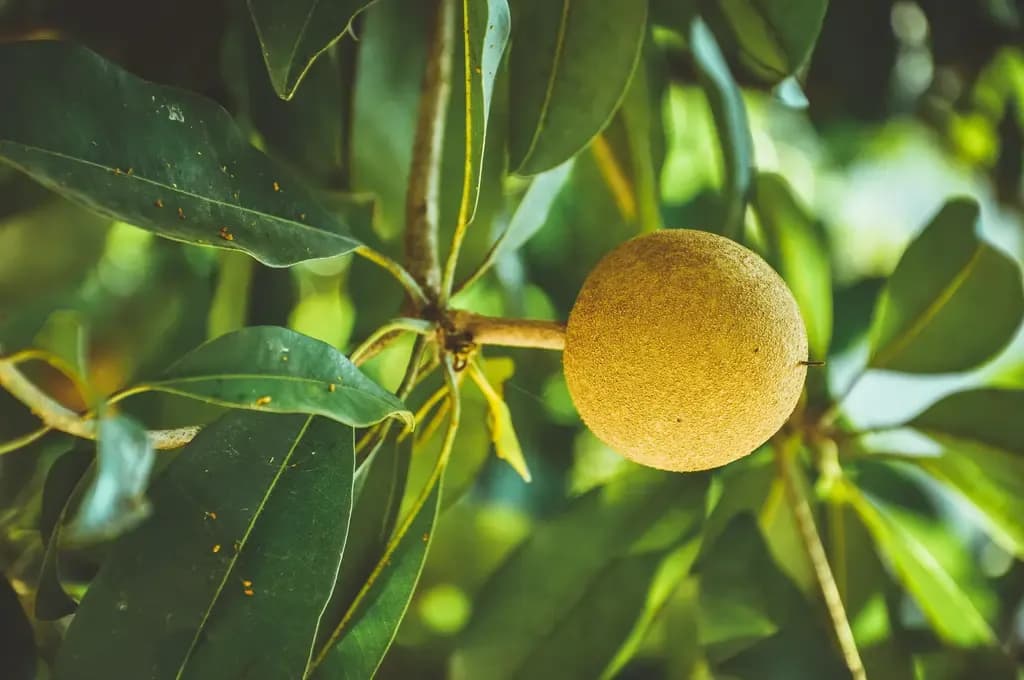
With the monsoons long gone, the most pleasant time of the year is here! The days are cooler, the nights are blissfully pleasant, and your local bazaar and bhaji markets must be filled with seasonal produce.
Among the treasures you’ll find right now is the bright and beautiful Amarphal, or Persimmon. Also known as Japaniphal in Uttar Pradesh, Amlok in Assam, Lukum in Manipur, and Seemai Panichai in Tamil Nadu.
Ever spotted those deep orange fruits that look a bit like tomatoes with a quirky flat hat? That’s Amarphal for you (or “Simran”, as our local fruit vendors in Mumbai call it).
Amarphal, meaning “immortal fruit,” is unique because they continue to ripen even after being picked.
The name itself feels like a slice of Indian mythology, right? In fact, there’s an old story about King Bharathhari, who received a persimmon as a royal gift. Through a series of events, this fruit uncovered a chain of betrayals that led him to renounce his throne and pursue a life of asceticism.
From its intriguing history to its versatility, Amarphal offers so much. Let us understand why this fruit deserves a spot in your kitchen!
What Makes Amarphal Special?
If you are trying persimmons for the first time, there are a few things you need to know. There are two main types of persimmons: astringent and non-astringent.
● Astringent Persimmon: Examples are Hachiya and Honan. like a bael fruit (wood apple). Before you eat, these must be fully ripe (almost bursting out of their skins), or you’ll be greeted by an unpleasant astringent taste that can numb your tongue for minutes! This is due to the high tannin content of these persimmons. But once ripe, they are delightfully sweet and rich in flavour.
● Non-astringent persimmons: Fuyu and Gosho are examples. These are smaller, resembling tomatoes or pumpkins, and their flesh resembles papaya. Unlike Hachiyas, they can be eaten even when they’re crisp and not fully ripe, as they contain small amounts of tannins.
So that you know, persimmons available in Indian markets are of the Fuyu variety. For the best taste, choose persimmons that are deep orange and feel heavy in your hand.
Sometimes, you might notice blackish spots on ripe persimmons, which are completely normal and don’t affect their quality or taste.
Nutrition Facts of Amarphal
Persimmons are not just visually appealing but also packed with essential nutrients. A medium-sized persimmon (25 g) contains :
| Nutrient | Amount |
|---|---|
| Water | 16.1 g |
| Energy | 32 Kcal |
| Protein | 0.2 g |
| Total lipid (fat) | 0.1 g |
| Carbohydrates | 8.38 g |
| Fibre, total dietary | 3.6 g |
| Calcium | 6.75 mg |
| Iron | 0.625 mg |
| Phosphorus | 6.5 mg |
| Potassium | 77.5 mg |
| Sodium | 0.25 mg |
| Vitamin C, total ascorbic acid | 16.5 mg |
| Beta-carotene | 253 microgram |
Amarphal (Persimmon) Fruit Benefits for Diabetes
Persimmon fruit has many benefits for people with diabetes. This fruit has a low glycemic index (GI) that helps regulate blood sugar levels.
It is also rich in fibre, which slows sugar absorption, preventing sudden spikes. It is packed with antioxidants that combat inflammation, a common concern for people with diabetes.
This makes persimmon fruit an excellent addition to your plate and to a balanced diet for managing diabetes.
Other Health Benefits of Persimmon Fruit
1. Helps in Weight Management
With its high water and fibre content, Amarphal promotes a feeling of fullness, reducing unnecessary snacking. Also, the fruit is low in calories, making it a guilt-free snack for those on a weight loss journey.
Its natural sweetness satisfies sugar cravings without adding extra calories. Consuming persimmon fruit benefits people looking to lose weight.
2. Supports Heart Health
Potassium in persimmons helps maintain healthy blood pressure levels, and flavonoids support better cardiovascular health by reducing bad cholesterol (LDL).
Soluble fibre binds to cholesterol particles in the intestine, preventing their absorption into the bloodstream and thereby reducing serum cholesterol levels.
3. Improves Digestion
Its high fibre content also promotes better digestion. It helps regulate bowel movements, prevents constipation, and supports the growth of beneficial gut bacteria.
4. Boosts Immunity
Vitamin C in Amarphal enhances the immune system, helping the body fight infections and recover from illnesses more quickly.
5. Rich in Antioxidants
Persimmons are rich in antioxidants, such as beta-carotene and flavonoids, which help combat free radicals in the body. These antioxidants can reduce inflammation, promote skin health, and even lower the risk of chronic diseases like cancer and heart disease.
Are There Risks to Eating Persimmons?
While persimmons are generally safe, eating anything in moderation, even if it’s excellent for your health, is always most important. Overeating can lead to sugar spikes, especially if you have diabetes.
People with digestive issues should consume them cautiously, as they can sometimes cause stomach discomfort.
How to Eat Persimmon Fruit?
Persimmons can be enjoyed in various ways, depending on your preference:
1. Whole fruit: Simply peel off the skin and enjoy the sweet, juicy fruit on its own. Always choose ripe persimmons for the best taste and nutrition.
2. Smoothies: Add a persimmon to your morning smoothie for a natural sweetness and a boost of vitamins. However, our Nutritionists always recommend eating fruit whole rather than in juices or smoothies, especially if you have diabetes. Juicing removes much of the fruit's fibre, increasing its sugar content and causing blood sugar spikes.
3. Salads: Slice persimmons and add them to salads for a touch of sweetness and texture. Desserts: Use it as a topping for curd or daliya khichdi.
4. Dried: Dried persimmons make for a sweet, chewy snack. But make sure they don't have any added sweetener.
What is the Best Time to Eat Amarphal?
We do not recommend eating fruit with other foods, as the sugar in fruit can significantly raise blood sugar levels and cause a spike.
You can enjoy Amarphal as a snack between meals, such as between breakfast and lunch, or between lunch and dinner, during your mid-morning snack, or at 4 pm when you have a hunger pang.
Conclusion:
Amarphal (persimmon) is a nutritious fruit that can be enjoyed by people with diabetes when eaten in moderation. It has a low glycemic index, contains fibre, and is rich in vitamins and antioxidants that support overall health. In addition to helping with blood sugar control, it may also support heart health, digestion, immunity, and weight management. However, portion control is important, and it is best eaten as a snack between meals as part of a balanced diet.
How Can PB Health Support You?
When someone in your family needs care, you should not have to worry about what happens next or who is responsible for each step.
At PB Health, we believe wellness requires continuity, coordination, and consistent follow-through. Our doctors and care teams work together, supported by technology that helps track progress, organize follow-ups, and keep information clear and accessible. From prevention to recovery, every stage is managed thoughtfully so that nothing important is missed and nothing is left unclear.
To understand more about our approach, you can visit our website, PB Health.