


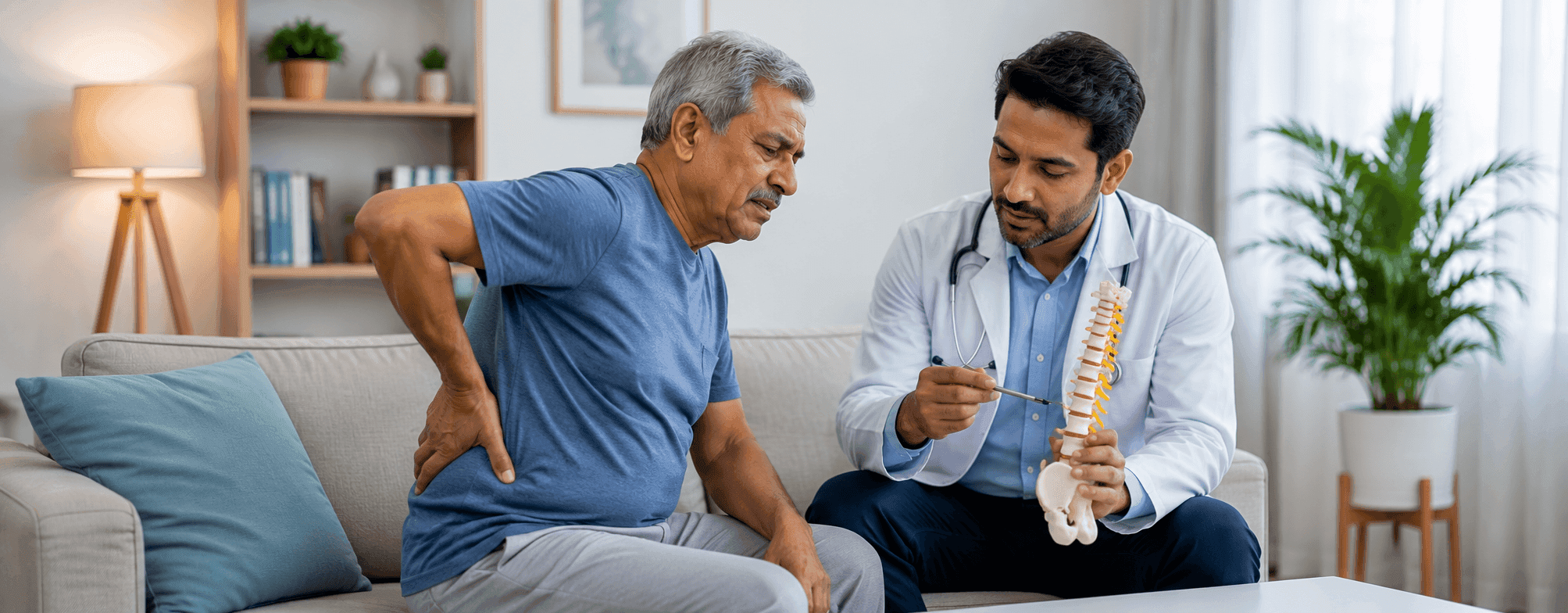


Got diagnosed with a compression fracture? Yeah, I know that's terrifying. Most people panic thinking surgery's coming. Honestly? Most don't need it. A compression fracture isn't like breaking your leg. Your vertebra gets squeezed and collapses, like stepping on a soda can. It caves in but isn't destroyed.
I've dealt with spine issues for years. Usually, weak bones cause it. Osteoporosis is the main culprit, especially for older people. Pain's intense initially. Patients tell me they couldn't move without wincing. That's normal. Your body's trying to fix it.
Here's what matters: Most patients with vertebral compression fractures recover without surgery. Understanding how to treat a compression fracture means understanding the right approach. Such a spinal compression fracture does need proper care - but is manageable. Most people don’t realise that treatment starts with conservative methods.
Starting Compression Fracture Treatment
When you get diagnosed, we don't jump to surgery. Most people recover well with proper treatment for compression fractures and careful management.
The First Few Weeks of Your Compression Fracture: The beginning focuses on managing pain so you can move more comfortably during recovery. Lying in bed completely still weakens muscles, which slows recovery. Most patients benefit from some pain medications and careful activity to treat a compression fracture effectively.
Many people use NSAIDs for pain relief, while others prefer acetaminophen. Apply ice in the first few days and avoid heat. Walk gently if you can, but with support and braces as advised by your doctor. Avoid heavy bending, as it can make things worse.
Why Bracing Works for Compression Fracture Recovery: A brace relieves pressure on your healing vertebra while letting you move around. Wear it for 8-12 weeks usually. It's not permanent immobilisation. It takes pressure off while you're active, preventing atrophy. This is core to any compression fracture treatment strategy.
Physical Therapy is Where Recovery from a Compression Fracture Happens
Physical therapy is very important in the recovery phase. A physiotherapist shows very simple exercises that aid the healing process, strengthening of the core, good posture and movement techniques to avoid injury recurrence. Such exercises are indeed essential for recovery at home. Posture does indeed matter; slouching puts extra pressure upon the healing spine. Good posture means even distribution of body weight and muscles, providing proper back support.
Patients usually see real improvement once they follow physiotherapy regularly. Exercises may feel boring, but they are effective. Most people gradually move from limited mobility to normal daily activities within a few months when they stay consistent.
When Conservative Care Fails for Compression Fracture
Most people improve with rest, medications, bracing, and physiotherapy. But not everyone. If you are still in serious pain after 6–8 weeks of proper treatment, talk to your doctor about further procedures.
Vertebroplasty and Kyphoplasty: These are options when conservative treatment methods don’t work. For severe pain that doesn’t respond to standard care, procedures may help.
A needle is used to inject special cement into the vertebra. Kyphoplasty includes a balloon that helps restore some height. These procedures can reduce pain when nothing else works. They are minimally invasive and often done as same-day treatments. However, they are not the first choice. Your doctor will decide if you are a suitable candidate for these procedures.
Address the Root Cause of Your Compression Fracture
Treating the injury is only half the battle. Fix the underlying cause, or it may happen again.
Bone Health for Preventing Future Compression Fractures: If osteoporosis is the cause, treatment is important. Vitamin D and calcium also support recovery. A doctor may test bone health and suggest medications to prevent future problems.
Weight-bearing exercise helps strengthen bones and reduces the risk of repeat injury. Good nutrition supports healing, and avoiding smoking makes a big difference. Long-term bone health care is essential to prevent future episodes.
Recovery Timeline
Weeks 1-2: Pain management mode. Minimal movement.
Weeks 2-4: Pain improves. You're thinking about movement. Bracing helps significantly.
Weeks 4-8: PT increasing. Pain way better. Light activities returning.
Month 3: Most activities resuming. Pain minimal.
3-6 months: Back to normal. Just avoiding heavy lifting.
Full healing usually takes 6-12 months. Everyone's timeline of recovery is different, though. Age, bone quality, and fracture severity all matter.
Preventing Another Compression Fracture
Once you have had one injury like this, your risk of another is higher, so prevention matters.
Balance training helps prevent falls. Remove home hazards, improve lighting, and use grab bars in bathrooms if needed. Staying active and exercising regularly helps keep muscles strong, which supports and protects your spine.
Regular check-ups can help detect new problems early. This may include bone scans or adjusting medications. It is not a restriction on life, just a smart approach to long-term prevention.
Conclusion:
A compression fracture diagnosis can feel scary, but many people recover well without surgery. Most improve completely and return to normal life, while some may have minor long-term discomfort.
The key is to take recovery seriously, follow treatment, stay consistent with physiotherapy even when it feels repetitive, and focus on improving bone health. Avoid rushing the process.
Your spine can heal on its own with the right support. The goal is simply to help it recover properly. It may not be quick or glamorous, but it is effective when managed correctly.
How Can PB Health Support You?
When someone in your family needs medical care, you shouldn’t have to worry about what happens next or who will manage each step.
At PB Health, we believe good healthcare requires proper planning and regular follow-up. Our doctors and care teams work together using technology to track progress, schedule follow-ups, and keep all information clear. From prevention to recovery, every step is handled carefully so nothing important is missed.
To learn more about our approach, visit the PB Health website.